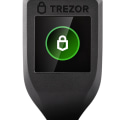
In the world of cryptocurrency, a crypto wallet serves as a crucial tool for managing digital assets. At its core, a crypto wallet is a software application or hardware device that allows users to store, send, and receive cryptocurrencies like Bitcoin, Ethereum, and many others. Unlike traditional wallets that hold physical cash, crypto wallets do not store the actual coins; instead, they store the cryptographic keys that provide access to your digital assets on the blockchain. Understanding how these wallets function is essential for anyone looking to navigate the complex landscape of cryptocurrencies.There are primarily two types of crypto wallets: hot wallets and cold wallets.
Hot wallets are connected to the internet and are typically more convenient for everyday transactions. They come in various forms, including mobile apps, desktop applications, and web-based platforms. While hot wallets offer ease of access and quick transactions, they also pose a higher risk of hacking and theft due to their online nature.On the other hand, cold wallets are offline storage solutions that provide enhanced security for long-term asset holding. These include hardware wallets and paper wallets, which keep your private keys completely disconnected from the internet.
While cold wallets are less convenient for frequent transactions, they are considered much safer against cyber threats. Understanding these distinctions is vital as it influences how users interact with their assets and how those assets can be traced.Regardless of the type of wallet used, all crypto wallets operate on the same fundamental principle: they generate a pair of cryptographic keys—one public and one private. The public key acts like an account number that can be shared with others to receive funds, while the private key is akin to a password that must be kept secret to maintain control over the wallet's contents. This dual-key system is what enables secure transactions on the blockchain while also raising questions about privacy and traceability in the world of cryptocurrencies.
The Nature of Blockchain Technology
Blockchain technology serves as the backbone of cryptocurrencies, providing a decentralized and transparent method for recording transactions.At its core, a blockchain is a distributed ledger that maintains a continuously growing list of records, known as blocks, which are linked together in chronological order. Each block contains a set of transactions and is secured using cryptographic hashes, ensuring that once data is recorded, it cannot be altered without consensus from the network.One of the most significant features of blockchain technology is its transparency. Every transaction made on a blockchain is visible to all participants in the network. This means that anyone can view the transaction history associated with a specific crypto wallet address.
While the identities behind these addresses may remain anonymous, the transaction details—such as amounts and timestamps—are publicly accessible. This level of transparency fosters trust among users and helps to prevent fraud.Moreover, the permanence of blockchain records adds another layer of security. Once a transaction is confirmed and added to the blockchain, it becomes part of an immutable record. This means that even if someone attempts to alter or delete a transaction, it would require an enormous amount of computational power to override the consensus of the entire network.
As a result, blockchain technology provides a reliable method for tracking transactions over time.Understanding how blockchain works is crucial for grasping how crypto wallets can be traced. Each wallet is associated with one or more public keys, which are derived from private keys that grant access to the funds. When a transaction occurs, it is broadcasted to the network and verified by nodes through a process called mining or validation. Once verified, the transaction is grouped with others into a block and added to the chain.This process not only ensures that transactions are legitimate but also allows for the tracing of funds as they move from one wallet to another.
By analyzing transaction patterns and using advanced forensic tools, experts can link specific transactions back to their originating wallets, revealing potential identities behind those wallets.In summary, blockchain technology's inherent transparency and permanence play vital roles in how crypto wallets can be traced. While users may believe they are operating anonymously, the public nature of blockchain records means that their activities can often be tracked and analyzed by those with the right tools and expertise.
Anonymity vs. Pseudonymity in Cryptocurrency
When discussing cryptocurrency, the terms anonymity and pseudonymity often arise, leading to confusion about the actual privacy levels offered by digital currencies. While many users believe that cryptocurrencies provide complete anonymity, the reality is more nuanced.Understanding the distinction between these two concepts is crucial for anyone engaging in crypto transactions.
Anonymity
refers to a state where an individual's identity is completely concealed. In an anonymous system, no one can trace transactions back to a specific person or entity. This level of privacy is often sought after by users who wish to keep their financial activities hidden from prying eyes.On the other hand, pseudonymity allows for some level of privacy but does not guarantee complete anonymity. In a pseudonymous system, users are identified by unique identifiers—such as wallet addresses—rather than their real names.
While these addresses do not directly reveal the owner's identity, they can be linked to real-world identities through various means, such as transaction patterns or interactions with regulated exchanges.Many people mistakenly believe that cryptocurrencies like Bitcoin are entirely anonymous due to their pseudonymous nature. When a user creates a Bitcoin wallet, they receive a unique address that can be used for transactions. However, this address is publicly visible on the blockchain, which means that anyone can see the transaction history associated with it. This transparency raises significant privacy concerns.Moreover, if a user's wallet address is ever linked to their identity—perhaps through a transaction on a regulated exchange that requires KYC (Know Your Customer) verification—the entire transaction history becomes traceable.
Forensic analysis tools can track these connections and reveal the identities behind wallet addresses.In summary, while cryptocurrencies offer a degree of privacy through pseudonymity, they do not provide true anonymity. Users should be aware of the potential for their transactions to be traced and take appropriate measures if they seek to maintain their privacy in the digital currency space.
How Crypto Wallets Can Be Traced
Tracing crypto wallets is a complex process that involves various techniques and tools designed to analyze blockchain transactions. While cryptocurrencies like Bitcoin are often perceived as anonymous, the reality is that they operate on a transparent public ledger, making it possible to trace transactions back to their origins under certain conditions.Blockchain Analysis Tools
- Blockchain analysis tools are specialized software applications that allow researchers and law enforcement agencies to track and analyze cryptocurrency transactions. These tools can visualize transaction flows, identify wallet addresses, and even link them to real-world identities.
- Some of the most prominent blockchain analysis companies, such as Chainalysis and Elliptic, provide services that help trace illicit activities, including money laundering and fraud.
They utilize advanced algorithms to detect patterns in transaction data.
Forensic Techniques
- Forensic techniques involve a combination of digital investigation methods and traditional investigative practices. By examining transaction histories, investigators can identify connections between different wallets and uncover the flow of funds.
- One common method is the use of "taint analysis," which assesses how funds have been mixed or transferred between wallets. This can help trace the origin of funds back to their source.
Linking Identities to Wallet Addresses
While a crypto wallet address itself does not contain personal information, it can be linked to an individual through various means:
- KYC Regulations: Many cryptocurrency exchanges require users to complete Know Your Customer (KYC) processes, which involve submitting personal identification documents. When users transact with these exchanges, their wallet addresses can be directly linked to their identities.
- Transaction Patterns: Analyzing transaction patterns can also reveal information about wallet owners.
For instance, if a wallet frequently interacts with a known exchange or service provider, it may be easier to identify the owner.
- Public Information: Social media and online forums can inadvertently expose wallet addresses when users share their transaction histories or seek assistance with crypto-related issues.
The Role of KYC Regulations in Tracing Wallets
In the evolving landscape of cryptocurrency, KYC regulations play a pivotal role in enhancing the traceability of crypto wallets. KYC, or Know Your Customer, refers to the process by which financial institutions and service providers verify the identities of their clients.This practice is not only crucial for compliance with legal standards but also serves as a significant tool in combating fraud, money laundering, and other illicit activities within the crypto space.When users create accounts on cryptocurrency exchanges or platforms that implement KYC protocols, they are typically required to provide personal information such as their name, address, date of birth, and sometimes even government-issued identification. This information is then linked to their digital wallets, creating a bridge between the real world and the blockchain.The impact of KYC on wallet tracing cannot be overstated. By associating a wallet address with a verified identity, authorities and forensic analysts can track transactions more effectively. For instance, if a wallet is involved in suspicious activity, investigators can trace back through the blockchain to identify the individual behind that wallet.
This capability is particularly important in cases of fraud or theft, where tracing the flow of funds can lead to recovering stolen assets.Moreover, KYC regulations help to establish a level of accountability among users. When individuals know that their transactions can be traced back to them, they may be less likely to engage in illegal activities. This not only fosters a safer environment for legitimate users but also enhances the overall reputation of cryptocurrencies as a viable financial system.However, it is essential to recognize that while KYC regulations improve traceability, they also raise concerns regarding privacy. Many crypto enthusiasts advocate for anonymity and decentralization, viewing KYC as an infringement on personal freedom.
This tension between regulatory compliance and user privacy continues to shape discussions around the future of cryptocurrency.In conclusion, KYC regulations are integral to tracing crypto wallets effectively. By linking real-world identities to digital addresses, these regulations enhance transparency and accountability within the cryptocurrency ecosystem. As the industry matures, finding a balance between compliance and privacy will be crucial for fostering trust among users while ensuring that cryptocurrencies can be used safely and responsibly.
Challenges in Tracing Crypto Wallets
Tracing crypto wallets presents a unique set of challenges that can complicate the efforts of law enforcement and forensic analysts. While blockchain technology is often touted for its transparency, the very features that make it accessible also introduce significant hurdles in tracking transactions and identifying wallet owners.One of the primary challenges in tracing crypto wallets is the pseudo-anonymity of cryptocurrency transactions.Although each transaction is recorded on a public ledger, the wallet addresses themselves do not contain any personal information. This means that while anyone can view the flow of funds between addresses, linking those addresses to real-world identities requires additional investigative work.Moreover, many users employ various techniques to enhance their privacy, such as:
- Mixing Services: These services blend multiple transactions together, making it difficult to trace the origin of funds.
- CoinJoin: A method that allows multiple users to combine their transactions into a single transaction, obscuring the trail.
- Using Multiple Wallets: Individuals may use several wallets for different transactions, further complicating tracking efforts.
However, as users become more aware of privacy concerns, they adapt their behaviors to evade detection, rendering some analytical methods less effective.Additionally, privacy coins like Monero and Zcash are designed specifically to enhance user anonymity. These cryptocurrencies utilize advanced cryptographic techniques that obscure transaction details and wallet addresses, making them nearly impossible to trace using conventional methods. As a result, even sophisticated tracing software may struggle to analyze transactions involving these privacy-focused coins.The privacy concerns surrounding cryptocurrency usage also play a crucial role in the challenges of tracing crypto wallets. Many users value their financial privacy and choose cryptocurrencies precisely for this reason.
The balance between maintaining user privacy and ensuring compliance with regulations poses a dilemma for both users and regulators alike. As authorities push for stricter KYC (Know Your Customer) regulations within exchanges and other virtual asset service providers (VASPs), users may seek alternative methods to protect their identities.In conclusion, while tracing crypto wallets is possible, it is fraught with challenges that stem from the inherent design of blockchain technology and user behavior. The combination of pseudo-anonymity, advanced privacy techniques, limitations in tracing technology, and growing privacy concerns creates a complex landscape for those attempting to track cryptocurrency transactions effectively.
Real-World Examples of Tracing Crypto Transactions
Tracing cryptocurrency transactions has become a critical aspect of law enforcement and financial regulation, especially as the use of digital currencies continues to rise. Several high-profile cases illustrate how authorities have successfully traced crypto wallets, revealing the potential for forensic analysis in the blockchain space.One notable example is the case of the Silk Road , an infamous online marketplace that facilitated illegal drug sales using Bitcoin.In 2013, the FBI shut down Silk Road and arrested its creator, Ross Ulbricht. Investigators utilized blockchain analysis tools to trace transactions linked to Ulbricht’s wallet. By following the flow of Bitcoin from Silk Road to various exchanges, they were able to identify and seize over 144,000 Bitcoins, valued at approximately $28 million at the time.Another significant case involved the Bitfinex hack in 2016, where hackers stole nearly 120,000 Bitcoins from the exchange. For years, these stolen funds remained dormant in various wallets.
However, in 2020, blockchain analysis firms began tracking the movement of these Bitcoins as they were slowly being transferred to exchanges. Law enforcement agencies collaborated with these firms to trace the funds back to their original source, leading to arrests and further investigations into the hackers' identities.In addition to these high-profile cases, smaller-scale investigations have also demonstrated the effectiveness of tracing crypto wallets. For instance, in 2021, a ransomware attack on a major U. S.
pipeline resulted in a ransom payment made in Bitcoin. The FBI was able to trace a portion of the ransom back to a wallet controlled by the attackers. By analyzing transaction patterns and utilizing KYC data from exchanges, they successfully recovered $2.3 million of the ransom.These examples highlight that while crypto wallets offer a degree of anonymity, they are not impervious to tracing efforts. The combination of blockchain transparency and advanced forensic tools allows investigators to piece together transaction histories and link them back to individuals or organizations.
As technology evolves, so too will the methods used for tracing cryptocurrency transactions, making it increasingly difficult for malicious actors to hide behind the veil of anonymity.
Future Trends in Crypto Wallet Traceability
As the cryptocurrency landscape continues to evolve, the traceability of crypto wallets is becoming an increasingly important topic. With advancements in technology and growing regulatory scrutiny, the future of crypto wallet tracing is likely to be shaped by several key trends.1.Enhanced Blockchain Analysis Tools
One of the most significant trends is the development of more sophisticated blockchain analysis tools. Companies specializing in blockchain forensics are constantly improving their software to analyze transaction patterns and identify wallet owners. These tools can track the flow of funds across multiple wallets, making it easier to link transactions to real-world identities.
As these technologies advance, they will likely become more accessible to law enforcement agencies and financial institutions, increasing the overall traceability of crypto wallets.
2.Regulatory Changes and Compliance
Regulatory bodies around the world are beginning to implement stricter guidelines for cryptocurrency exchanges and service providers. Many of these regulations require know-your-customer (KYC) protocols, which mandate that users verify their identities before engaging in transactions. As compliance becomes more widespread, the ability to trace crypto wallets will improve significantly. This shift may lead to a more transparent ecosystem where illicit activities are harder to conceal.
3.Integration of Artificial Intelligence
The integration of artificial intelligence (AI) into blockchain analysis is another trend that could enhance wallet traceability.
AI algorithms can analyze vast amounts of data quickly, identifying patterns that human analysts might miss. This capability can be particularly useful in detecting fraudulent activities or money laundering schemes involving cryptocurrencies.
4.Privacy Coins and Their Impact
While advancements in tracing technology are on the rise, the emergence of privacy-focused cryptocurrencies poses a challenge. Coins like Monero and Zcash utilize advanced cryptographic techniques to obscure transaction details, making them difficult to trace. As these privacy coins gain popularity, they may complicate efforts to track crypto wallets and transactions, leading to a potential arms race between privacy advocates and tracing technologies.
5.Future Innovations in Cryptocurrency Tracking
The future may also see innovations such as decentralized identity solutions that allow users to maintain control over their personal information while still complying with regulatory requirements.
These solutions could provide a balance between privacy and traceability, enabling users to engage in cryptocurrency transactions without exposing their identities unnecessarily.In conclusion, the future of crypto wallet tracing is poised for significant changes driven by technological advancements and regulatory developments. As tools become more sophisticated and regulations tighten, the ability to trace crypto wallets will likely improve, creating a more transparent environment for cryptocurrency transactions.
Conclusion: The Balance Between Privacy and Traceability in Cryptocurrency
In conclusion, the discussion surrounding the traceability of crypto wallets reveals a complex interplay between user privacy and the necessity for accountability in financial transactions. While many individuals are drawn to cryptocurrencies due to their perceived anonymity, the reality is that these digital assets operate on transparent blockchain networks. This transparency can be both a boon and a bane.On one hand, the ability to trace transactions can enhance security and deter illicit activities such as money laundering and fraud.Law enforcement agencies and forensic analysts utilize advanced tools to track suspicious activities, ensuring that the cryptocurrency ecosystem remains compliant with regulations. This is particularly important as governments around the world seek to establish frameworks that govern digital currencies, balancing innovation with consumer protection.On the other hand, the potential for tracing crypto wallets raises significant concerns regarding user privacy. The notion that every transaction is recorded on a public ledger means that individuals must be cautious about how they manage their digital identities. While a wallet address does not directly reveal personal information, it can be linked to real-world identities through various means, including KYC (Know Your Customer) protocols implemented by exchanges and other service providers.As we navigate this evolving landscape, it becomes crucial for users to understand the implications of their actions within the cryptocurrency space.
Employing best practices for privacy, such as using non-custodial wallets or mixing services, can help mitigate risks associated with traceability. However, these measures also come with their own set of challenges and limitations.Ultimately, achieving a balance between privacy and traceability in cryptocurrency transactions is essential for fostering trust among users while ensuring compliance with legal standards. As technology continues to advance, so too will the methods for both enhancing user privacy and enforcing traceability. The future of cryptocurrencies will likely hinge on finding this equilibrium, allowing for innovation while safeguarding individual rights.