Bitcoin, often referred to as BTC, is the pioneering cryptocurrency that has revolutionized the financial landscape since its inception in 2009. Created by an anonymous entity known as Satoshi Nakamoto, Bitcoin operates on a decentralized network using blockchain technology, which ensures transparency and security in transactions. Unlike traditional currencies issued by governments, Bitcoin is not controlled by any central authority, making it a unique asset in the realm of finance. This independence from governmental influence is one of the primary reasons individuals are drawn to Bitcoin, as it offers a hedge against inflation and economic instability.The importance of Bitcoin extends beyond its role as a digital currency. It has become a symbol of innovation and a catalyst for the broader adoption of cryptocurrencies.
As more people recognize the potential of blockchain technology, Bitcoin serves as a gateway for understanding and investing in other digital assets. Its limited supply—capped at 21 million coins—adds to its allure, creating a sense of scarcity that can drive demand and value over time. Furthermore, Bitcoin's ability to facilitate peer-to-peer transactions without intermediaries has made it an attractive option for those seeking privacy and autonomy in their financial dealings.As interest in cryptocurrencies continues to grow, many individuals are eager to purchase Bitcoin for various reasons. Some view it as a long-term investment opportunity, while others see it as a means of diversifying their portfolios.
Additionally, with the rise of decentralized finance (DeFi) and non-fungible tokens (NFTs), Bitcoin's foundational role in the cryptocurrency ecosystem cannot be overstated. Understanding Bitcoin's significance is crucial for anyone looking to navigate the complex world of digital currencies effectively.
What is a Crypto Wallet?
A crypto wallet is a digital tool that allows users to store, send, and receive cryptocurrencies like Bitcoin. Unlike traditional wallets that hold physical currency, crypto wallets store the public and private keys needed to access your digital assets on the blockchain. Understanding how these wallets work is essential for anyone looking to buy Bitcoin safely and securely.Types of Crypto Wallets
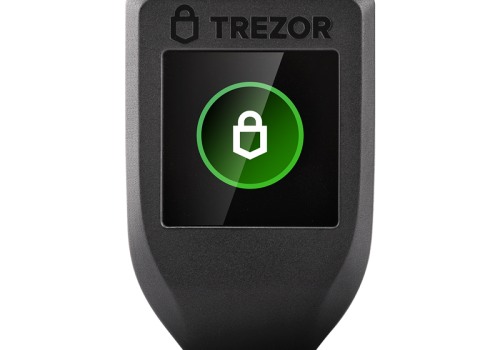
- Hardware Wallets: These are physical devices that securely store your private keys offline.
Hardware wallets are considered one of the safest options for storing cryptocurrencies because they are immune to online hacking attempts. Popular examples include the Ledger Nano S and Trezor.
- Software Wallets: These wallets are applications or software programs that can be installed on your computer or mobile device. They come in various forms:
- Desktop Wallets: Installed on a personal computer, providing full control over your keys. Examples include Exodus and Electrum.
- Mobile Wallets: Designed for smartphones, these wallets offer convenience for everyday transactions.
Examples include Trust Wallet and Mycelium.
- Web Wallets: Accessible through web browsers, these wallets are easy to use but may pose security risks since they store your keys online. Examples include Coinbase and Blockchain.info.
- Paper Wallets: A paper wallet is a physical printout of your public and private keys. This method is highly secure as it keeps your keys offline, but it requires careful handling to avoid loss or damage.
How Crypto Wallets Work
Crypto wallets function by interacting with blockchain networks. When you create a wallet, it generates a pair of cryptographic keys: a public key, which acts like an address for receiving funds, and a private key, which is used to sign transactions and prove ownership of the assets stored in the wallet.When you want to send Bitcoin or any other cryptocurrency, you use your wallet to create a transaction that includes the recipient's public key and the amount you wish to send.Your wallet then uses your private key to sign this transaction, ensuring that only you can authorize the transfer. Once signed, the transaction is broadcasted to the blockchain network for validation and inclusion in the ledger.In summary, understanding crypto wallets is crucial for anyone looking to engage in cryptocurrency transactions. By choosing the right type of wallet and knowing how they operate, you can enhance your security while buying and managing Bitcoin.
Safest Methods to Purchase Bitcoin
When it comes to purchasing Bitcoin, ensuring the safety of your transactions is paramount. The digital currency landscape is rife with opportunities, but it also presents risks, making it essential to choose the right platform.Here, we will explore the safest methods to buy Bitcoin , focusing on reputable cryptocurrency exchanges and their security features.Cryptocurrency exchanges serve as the primary gateways for buying Bitcoin. These platforms not only facilitate transactions but also provide various security measures to protect users' funds and personal information. Here are some of the most trusted exchanges known for their robust security protocols:
- Coinbase: One of the largest and most popular exchanges in the U. S., Coinbase employs industry-leading security measures, including two-factor authentication (2FA), biometric logins, and cold storage for the majority of its assets.
This means that even if a hacker gains access to your account, they would still need a second form of verification to execute any transactions.
- Gemini: Founded by the Winklevoss twins, Gemini is known for its regulatory compliance and security-first approach. The exchange offers features like insurance against theft and a secure wallet that keeps most of its assets offline. Additionally, Gemini provides users with advanced security options such as 2FA and withdrawal whitelists.
- Kraken: This exchange is recognized for its strong security track record and offers a variety of features designed to protect user accounts. Kraken utilizes 2FA, PGP encryption for email communications, and a comprehensive security audit process to ensure that user funds remain safe.
- Enable Two-Factor Authentication: Always activate 2FA on your exchange account.
This adds an extra layer of protection by requiring a second form of identification beyond just your password.
- Use Strong Passwords: Create complex passwords that are difficult to guess. Avoid using easily accessible personal information and consider using a password manager to keep track of your credentials.
- Keep Software Updated: Regularly update your devices and applications to protect against vulnerabilities that could be exploited by hackers.
- Be Wary of Phishing Attempts: Always verify the authenticity of emails or messages claiming to be from your exchange. Phishing scams are common in the crypto space, so double-check URLs and sender addresses.
Comparing Cryptocurrency Exchanges
When it comes to buying Bitcoin and other cryptocurrencies, choosing the right exchange is crucial.Each platform offers unique features, fee structures, and user experiences that can significantly impact your trading journey. Below, we compare three of the most popular cryptocurrency exchanges: Coinbase , Binance , and Kraken .
Coinbase
Coinbase is often regarded as one of the most user-friendly platforms for beginners. It provides a straightforward interface that simplifies the buying process. However, this ease of use comes at a cost.Coinbase charges a spread of about 0.5% on trades, along with a variable transaction fee that can range from $0.99 to $2.99 depending on the amount being traded.Despite its higher fees, Coinbase offers a robust security framework, including two-factor authentication and insurance for digital assets stored on the platform. Additionally, users can access educational resources through Coinbase Earn, which allows them to earn cryptocurrency by learning about different projects.
Binance
In contrast, Binance is known for its extensive selection of cryptocurrencies and lower trading fees. The platform charges a flat fee of 0.1% per trade, which can be reduced further if users opt to pay fees using Binance Coin (BNB). This makes Binance an attractive option for active traders looking to minimize costs.Binance also offers advanced trading features such as futures and margin trading, making it suitable for more experienced users.However, its interface may be overwhelming for beginners. Security measures include two-factor authentication and withdrawal whitelist options to enhance account safety.
Kraken
Kraken stands out for its strong security reputation and comprehensive range of features. It charges a maker-taker fee structure that starts at 0.16% for makers and 0.26% for takers, which can decrease with higher trading volumes. This tiered fee system rewards frequent traders with lower costs.The platform also supports a wide variety of cryptocurrencies and offers features like futures trading and margin trading with up to 5x leverage.Kraken's user interface is relatively intuitive, but it may still require some time for new users to familiarize themselves with all available options.In summary, when comparing these exchanges:
- Coinbase: Best for beginners; higher fees; strong security.
- Binance: Best for low fees; extensive features; may be complex for new users.
- Kraken: Best for security; competitive fees; good for experienced traders.
Using Mobile Apps for Buying Bitcoin
In today's fast-paced digital world, mobile applications have emerged as a convenient and efficient way to buy Bitcoin. These apps not only simplify the purchasing process but also cater to users who prefer managing their finances on the go. Among the most popular options are Cash AppCash App and Venmo , both of which offer user-friendly interfaces and seamless transactions.Cash App
is particularly notable for its straightforward approach to buying Bitcoin. Users can easily purchase Bitcoin directly from the app without needing to create a separate cryptocurrency wallet.
This integration allows for a smooth experience, especially for beginners. To buy Bitcoin on Cash App, users simply need to:
- Open the app and navigate to the "Investing" tab.
- Select "Bitcoin" from the list of investment options.
- Choose the amount of Bitcoin they wish to purchase.
- Confirm the transaction, and the Bitcoin will be added to their Cash App balance.
Venmo
, another popular mobile payment platform, has also entered the cryptocurrency space, allowing users to buy, sell, and hold Bitcoin directly within the app.
Similar to Cash App, Venmo offers a simple process for purchasing Bitcoin:
- Access the "Crypto" section from the Venmo home screen.
- Select Bitcoin and choose how much you want to buy.
- Review the transaction details and confirm your purchase.
Understanding Fees Associated with Buying Bitcoin
When considering the purchase of Bitcoin, it is crucial to understand the various fees that can impact your overall investment.These fees can vary significantly between platforms and can affect how much Bitcoin you ultimately receive for your money. Below, we break down the common types of fees associated with buying Bitcoin.
1.Transaction Fees
Transaction fees are the most common costs incurred when buying Bitcoin. These fees are charged by exchanges for processing your buy or sell orders. Typically, transaction fees can range from 0.1% to 1% of the transaction amount, depending on the platform and the payment method used.For instance, using a credit card may incur higher fees compared to bank transfers.
2.Spread
The spread is another important fee to consider. It refers to the difference between the buying price and the selling price of Bitcoin on an exchange. For example, if an exchange lists Bitcoin at $30,000 for purchase but only offers $29,500 for sale, the spread is $500. This cost is often overlooked but can significantly affect your investment returns.3.Withdrawal Fees
Once you purchase Bitcoin, you may want to transfer it to a personal crypto wallet.Most exchanges charge a withdrawal fee for this service, which can vary widely from one platform to another. Some exchanges may offer free withdrawals up to a certain limit, while others might charge a flat fee or a percentage of the withdrawal amount.
4.Hidden Fees
Many users are unaware of hidden fees that can arise during transactions. These may include:- Deposit Fees: Some platforms charge fees for depositing funds into your account, especially if you use credit cards or certain payment methods.
- Inactivity Fees: If you leave your account dormant for an extended period, some exchanges may impose inactivity fees.
- Conversion Fees: If you are purchasing Bitcoin with a currency other than USD, conversion fees may apply.
Security Tips for Buying Bitcoin Safely
When it comes to purchasing Bitcoin, ensuring the security of your transactions is paramount.The cryptocurrency landscape can be fraught with risks, including scams and fraud. Here are some essential tips to help you navigate the process safely.
- Choose Reputable Platforms: Always buy Bitcoin from well-known and reputable exchanges or platforms. Research their history, user reviews, and security measures. Platforms like Coinbase, Gemini, and Binance have established themselves as trustworthy options in the crypto community.
- Enable Two-Factor Authentication (2FA): Protect your account by enabling 2FA.
This adds an extra layer of security by requiring a second form of verification, such as a text message or authentication app, in addition to your password.
- Use a Secure Wallet: After purchasing Bitcoin, transfer it to a secure wallet rather than leaving it on the exchange. Hardware wallets like Trezor or Ledger provide enhanced security against online threats.
- Be Wary of Phishing Scams: Always double-check URLs and avoid clicking on links in unsolicited emails or messages. Scammers often create fake websites that mimic legitimate exchanges to steal your credentials.
- Verify Transactions: Before confirming any transaction, double-check the recipient's address and the amount. Cryptocurrency transactions are irreversible, so any mistakes can lead to permanent loss of funds.
- Avoid Public Wi-Fi: Conduct transactions over a secure, private internet connection.
Public Wi-Fi networks can be vulnerable to hackers who may intercept your data.
- Stay Informed: Keep up with the latest news in the cryptocurrency space. Awareness of current scams and security breaches can help you avoid potential pitfalls.
Conclusion: Making Informed Decisions When Buying Bitcoin
In conclusion, navigating the world of Bitcoin purchasing requires a careful balance between cost and safety. As we have explored throughout this article, there are various methods available for acquiring Bitcoin, each with its own set of advantages and disadvantages.When considering the cheapest options, platforms like Bitcoin faucets and peer-to-peer exchanges can provide low-cost entry points.However, these methods often come with trade-offs in terms of security and reliability. It is crucial to assess whether the savings on transaction fees are worth the potential risks involved.On the other hand, utilizing established cryptocurrency exchanges offers a more secure environment for buying Bitcoin. Platforms such as Coinbase and Gemini not only provide robust security measures but also a user-friendly experience that can be beneficial for both beginners and seasoned investors. While these exchanges may charge higher fees compared to other methods, the peace of mind they offer can be invaluable.Moreover, it is essential to consider the crypto wallet options available for storing your Bitcoin after purchase.
A secure wallet is a critical component of your overall strategy, as it protects your investment from potential hacks or thefts associated with exchanges. Hardware wallets, for instance, provide an extra layer of security by keeping your private keys offline.Ultimately, making informed decisions when buying Bitcoin involves evaluating your personal investment goals, risk tolerance, and the specific features of each platform. Whether you prioritize low costs or enhanced security, understanding the nuances of each option will empower you to choose the method that aligns best with your needs.As you embark on your Bitcoin journey, remember that education is key. Stay updated on market trends, security practices, and new platforms that may emerge in this rapidly evolving landscape.
By doing so, you will not only enhance your investment strategy but also contribute to a more informed and responsible cryptocurrency community.