In the world of cryptocurrency, a Bitcoin wallet serves as a crucial tool for managing your digital assets. Unlike traditional wallets that hold physical currency, a Bitcoin wallet is a software application or hardware device that allows users to store, send, and receive Bitcoin securely. Understanding what a Bitcoin wallet is and how it functions is essential for anyone looking to engage in cryptocurrency transactions. At its core, a Bitcoin wallet interacts with the blockchain, the decentralized ledger that records all transactions.
It does this by storing your public and private keys, which are necessary for accessing your Bitcoin and authorizing transactions.The importance of selecting the right Bitcoin wallet cannot be overstated. With various options available, each offering different features and fee structures, making an informed choice can significantly impact your overall experience in the crypto space. A well-chosen wallet not only minimizes transaction fees but also enhances security, ensuring that your assets are protected from potential threats. For instance, some wallets allow users to set their own transaction fees based on network conditions, which can lead to substantial savings over time.There are several types of Bitcoin wallets available, each catering to different user needs and preferences.
These include:
- Software Wallets: These are applications that can be installed on your computer or mobile device. They offer convenience and ease of use but may be more vulnerable to hacking.
- Hardware Wallets: Physical devices designed to securely store your private keys offline. They provide enhanced security but require a bit more technical knowledge to use effectively.
- Web Wallets: Online services that allow you to access your Bitcoin from any device with internet connectivity. While they are user-friendly, they may expose you to higher risks if the service is compromised.
- Paper Wallets: A physical printout of your public and private keys.
This method offers maximum security against online threats but requires careful handling to avoid loss or damage.
Types of Bitcoin Wallets
When navigating the world of Bitcoin, understanding the various types of crypto wallets is crucial for making informed decisions. Each wallet type offers unique features, security levels, and user experiences. Here’s a breakdown of the primary categories:Software Wallets
Software wallets are applications that allow users to store and manage their Bitcoin on devices such as computers or smartphones.They can be further divided into:
- Desktop Wallets: These are installed on a personal computer and provide full control over your private keys. Examples include Bitcoin Core and Exodus. They offer robust security but are vulnerable to malware if the device is compromised.
- Mobile Wallets: Designed for smartphones, these wallets offer convenience for transactions on the go. Popular options include Mycelium and Coinbase Wallet.
While they are user-friendly, they may be less secure than desktop wallets due to potential exposure to mobile threats.
- Web Wallets: Accessible through web browsers, these wallets are convenient but often come with higher risks since they store private keys online. Examples include Coinbase and Binance. Users should ensure they use reputable services with strong security measures.
Hardware Wallets
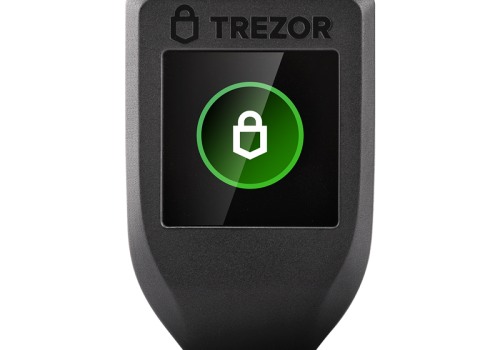
For those prioritizing security, hardware wallets are an excellent choice. These physical devices store your private keys offline, making them less susceptible to hacking.Popular hardware wallets include:
- Trezor: Known for its user-friendly interface and strong security features.
- Ledger: Offers a range of models with varying storage capacities and security levels.
Custodial vs Non-Custodial Wallets
The distinction between custodial and non-custodial wallets is essential in understanding how your Bitcoin is managed:- Custodial Wallets: In these wallets, a third party holds your private keys. This can simplify management but introduces trust issues since you rely on the provider's security measures. Examples include exchanges like Coinbase.
- Non-Custodial Wallets: Users maintain full control over their private keys, enhancing security and privacy. Options like Electrum and Trezor fall into this category, empowering users to manage their funds independently.
By understanding these categories, users can better navigate their options in the cryptocurrency landscape.
Factors Influencing Bitcoin Wallet Fees
Understanding the factors influencing Bitcoin wallet fees is crucial for anyone looking to manage their cryptocurrency transactions effectively. Several elements come into play when determining the costs associated with using a Bitcoin wallet, and being aware of these can help users minimize their expenses.1.Transaction Size
The size of the transaction in bytes significantly impacts the fees incurred. Larger transactions require more data to be processed on the blockchain, which can lead to higher fees. This is because Bitcoin transactions are priced based on the amount of data they occupy in a block, rather than the amount of cryptocurrency being transferred.
Therefore, if you are sending a large amount of Bitcoin in a single transaction, it may be more cost-effective to break it down into smaller transactions.
2.Network Conditions
The current state of the Bitcoin network plays a vital role in determining transaction fees. During periods of high demand, when many users are trying to make transactions simultaneously, fees can spike dramatically. This is due to the limited number of transactions that can be processed in each block (approximately 1 MB). Users may need to pay higher fees to ensure their transactions are prioritized by miners during these busy times.
3.Wallet Type
Different types of wallets offer varying fee structures.
For instance, some wallets allow users to set their own transaction fees, giving them control over how much they are willing to pay for faster processing times. Others may have fixed fees or charge based on the transaction size. Understanding the fee policies of your chosen wallet can help you select one that aligns with your budget and transaction needs.
4.Fee Estimation Tools
Many modern wallets come equipped with fee estimation tools that analyze current network conditions and suggest optimal fees for transactions. Utilizing these tools can help users avoid overpaying for transaction fees while ensuring timely processing.By considering these factors—transaction size, network conditions, wallet type, and available fee estimation tools—users can make informed decisions about their Bitcoin wallet usage and effectively manage their transaction costs.
Comparing Bitcoin Wallets with Low Fees
When evaluating Bitcoin wallets with low fees, it’s essential to consider not only the fee structures but also the features and usability of each wallet.Below is a comparison of some of the most popular wallets known for their minimal transaction costs.
1.Bitcoin Core Wallet
The Bitcoin Core wallet is a software wallet that serves as the original gateway to the Bitcoin blockchain. It allows users to have complete control over their transactions, including the ability to set their own network fees.- Pros: Full control over fees, high security, open-source.
- Cons: Requires significant storage space and bandwidth, not beginner-friendly.
2.Coinbase Wallet
Coinbase is widely recognized for its user-friendly interface and accessibility. While sending funds between Coinbase wallets is free, transferring BTC to external wallets incurs a fee ranging from 1.49% to 3.99%, depending on various factors.- Pros: Easy to use, supports multiple cryptocurrencies, free internal transfers.
- Cons: Higher fees for external transactions, limited control over fee settings.
3.Mycelium Wallet
The Mycelium wallet is particularly popular among mobile users and offers a unique marketplace feature within the app. It typically charges fees capped at 1% of the transaction amount.- Pros: User-friendly mobile interface, integrated marketplace, low fees.
- Cons: Limited desktop support, primarily focused on Bitcoin.
4.Exodus Wallet
Exodus stands out for its visually appealing design and intuitive user experience.While it does not charge a direct fee for transactions, users may incur network fees based on current blockchain conditions.
- Pros: Attractive interface, supports multiple cryptocurrencies, easy asset management.
- Cons: Limited advanced features for experienced users, network fees can vary significantly.
Top Bitcoin Wallets with the Lowest Fees
When searching for the best low fee wallets in 2023, several options stand out due to their combination of low transaction fees, user-friendly interfaces, and robust security features. Here’s a closer look at some of the top contenders:- Bitcoin Core Wallet : As one of the original wallets in the cryptocurrency space, Bitcoin Core offers users complete control over their transaction fees. This wallet allows you to set your own fees, which can be as low as you desire, making it an excellent choice for those looking to minimize costs.
However, it requires a bit more technical knowledge and is best suited for users who are comfortable with managing their own nodes.
- Coinbase Wallet : Known for its ease of use, Coinbase Wallet is a popular choice among beginners. While sending BTC to other wallets incurs a network fee ranging from 1.49% to 3.99%, transactions between Coinbase wallets are free. This makes it a cost-effective option for users who primarily trade within the platform.
- Mycelium Wallet : Mycelium is another wallet that stands out for its low fees, typically capped at 1% of the transaction size. It also offers advanced features such as a built-in marketplace and support for hardware wallets, making it a versatile choice for both novice and experienced users.
- Exodus Wallet : With its intuitive interface and seamless user experience, Exodus is ideal for those new to cryptocurrency.
While it does not charge fees for internal transactions, users should be aware of network fees when sending assets outside the wallet. Its attractive design and ease of use make it a favorite among many.
- Guarda Wallet : This non-custodial wallet supports multiple platforms and allows users to maintain full control over their private keys. Guarda offers competitive fees and is particularly appealing for those who value security and flexibility in managing their digital assets.
By choosing one of these top Bitcoin wallets with low fees, you can ensure that your cryptocurrency transactions remain cost-effective while enjoying a secure and user-friendly experience.
How to Choose the Right Bitcoin Wallet for Your Needs
Choosing the right Bitcoin wallet is crucial for anyone looking to engage with cryptocurrency, whether you are a seasoned investor or a newcomer. The variety of wallets available can be overwhelming, but understanding your specific needs and preferences can simplify the selection process.1.Assess Your Experience Level
- Beginners: If you are new to cryptocurrency, consider a wallet that offers a user-friendly interface and straightforward setup. Wallets like Coinbase or Exodus provide intuitive designs that make it easy to buy, sell, and manage your assets without technical jargon.
- Intermediate Users: For those with some experience, wallets that offer additional features such as advanced security options or multi-currency support may be appealing. Look for wallets like Mycelium, which provide more control over transaction fees and security settings.
- Advanced Users: If you are well-versed in cryptocurrency, you might prefer wallets that allow for greater customization and control, such as Bitcoin Core.
These wallets often require more technical knowledge but offer enhanced features for managing your assets.
2.Evaluate Security Features
The security of your Bitcoin wallet is paramount. Consider the following:
- Private Keys: Ensure that the wallet allows you to control your private keys. Non-custodial wallets like Guarda give you full ownership of your keys, enhancing security.
- Two-Factor Authentication (2FA): Look for wallets that offer 2FA as an added layer of protection against unauthorized access.
- Backup Options: A good wallet should provide options for backing up your data securely, ensuring you can recover your funds in case of device loss or failure.
3.Consider Your Use Case
Your intended use of the wallet will significantly influence your choice:
- Long-Term Storage: If you plan to hold Bitcoin for an extended period, consider a hardware wallet like Trezor, which offers robust security features.
- Frequent Transactions: For those who trade regularly or need to make frequent transactions, a mobile wallet like Mycelium may be more convenient due to its accessibility and ease of use.
- Diverse Portfolio Management: If you own multiple cryptocurrencies, opt for a multi-currency wallet such as Exodus, which supports various digital assets in one place.
Frequently Asked Questions About Bitcoin Wallet Fees
When exploring the world of Bitcoin wallets, users often have numerous questions regarding fees and functionality. Here are some of the most frequently asked questions about Bitcoin wallet fees:What are the typical fees associated with Bitcoin wallets?
Bitcoin wallet fees can vary significantly based on the type of wallet you choose and the network conditions at the time of your transaction.Generally, there are two main types of fees:
- Transaction Fees: These are fees paid to miners for processing your transaction on the blockchain. They can fluctuate based on network congestion.
- Withdrawal Fees: Some wallets charge a fee when you withdraw your Bitcoin to another wallet or exchange. This fee can be a flat rate or a percentage of the transaction.
How can I minimize Bitcoin wallet fees?
To reduce the fees associated with your Bitcoin transactions, consider the following strategies:- Choose the Right Time: Fees tend to be lower during off-peak hours when fewer transactions are being processed.
- Select a Wallet with Custom Fee Options: Some wallets allow you to set your own transaction fees, enabling you to choose lower rates if you're not in a hurry.
- Consolidate Transactions: If you frequently send small amounts, consider consolidating them into larger transactions to save on fees.
Are there any wallets that offer zero fees?
While it is rare to find a Bitcoin wallet that charges absolutely no fees, some wallets offer free transactions between users on their platform. However, keep in mind that network fees may still apply when sending Bitcoin to external wallets.Always read the fine print to understand any potential costs involved.
Do all Bitcoin wallets charge the same fees?
No, not all Bitcoin wallets charge the same fees. Different wallets have varying fee structures based on their business models and features. For instance, some exchanges may charge higher withdrawal fees compared to non-custodial wallets that allow users more control over their transactions.Understanding these common questions about Bitcoin wallet fees can help you make informed decisions and choose a wallet that best fits your needs while minimizing costs.Conclusion: Making an Informed Choice for Your Bitcoin Wallet
Choosing the right Bitcoin wallet is a crucial decision for anyone looking to engage with cryptocurrency. As we have explored throughout this article, the fees associated with different wallets can significantly impact your overall experience and profitability.While low fees are an essential factor, they should not be the sole consideration when selecting a wallet.It is important to assess your individual needs and preferences. For instance, if you are a frequent trader, a wallet with lower transaction fees may save you substantial amounts over time. On the other hand, if you are a long-term holder, you might prioritize security features and ease of use over minimal fees.Here are some key takeaways to consider:
- Understand Your Usage: Determine whether you will be making frequent transactions or holding your Bitcoin for an extended period. This will guide your choice between wallets that prioritize low fees versus those that offer enhanced security.
- Evaluate Wallet Types: Different types of wallets—such as hardware, software, and mobile wallets—come with varying fee structures and functionalities.
Hardware wallets often provide superior security but may have higher upfront costs.
- Research Fee Structures: Each wallet has its own fee model. Some may charge flat fees, while others may take a percentage of the transaction amount. Understanding these structures can help you avoid unexpected costs.
- Consider Additional Features: Look for wallets that offer features like multi-currency support, user-friendly interfaces, and robust security measures. These can enhance your overall experience beyond just low fees.
By taking the time to evaluate your options carefully, you can make an informed choice that not only minimizes costs but also maximizes your overall satisfaction and security in managing your digital assets.