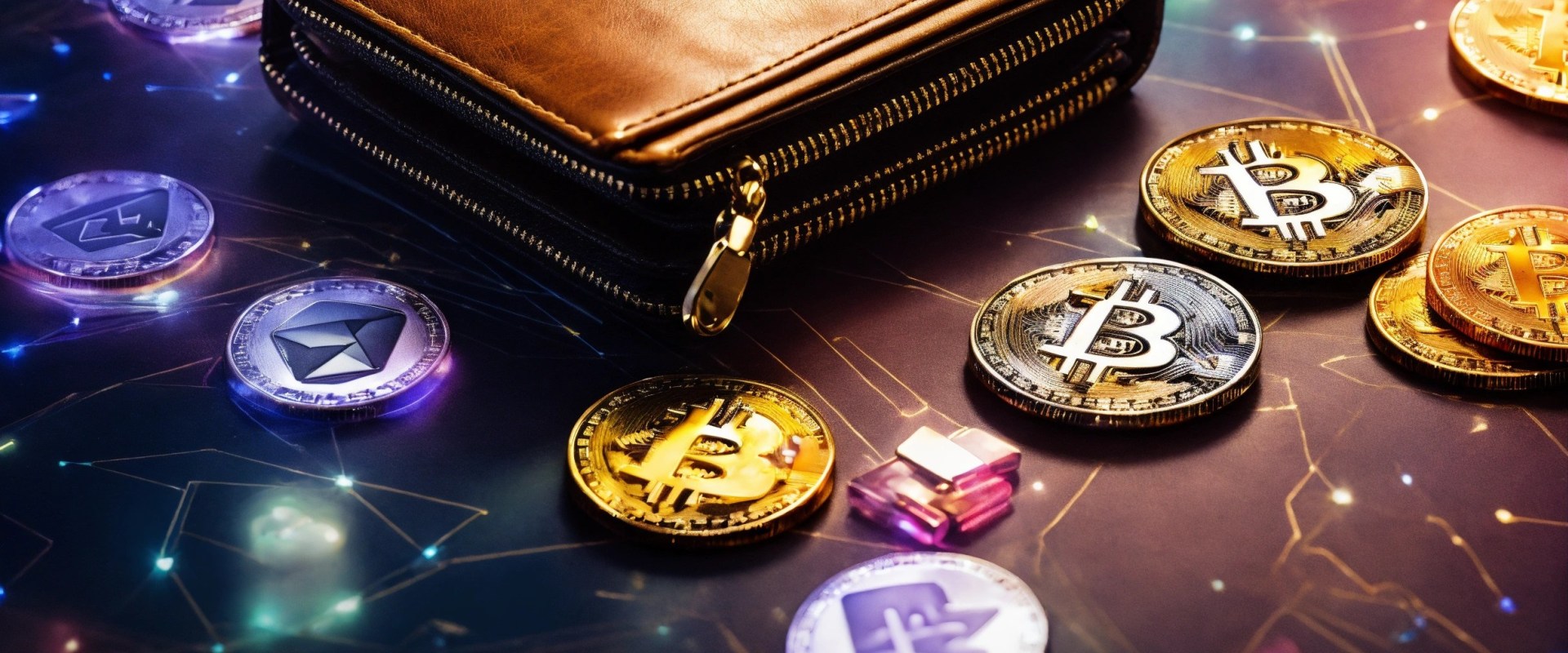
In the rapidly evolving world of cryptocurrency, understanding crypto wallets is essential for anyone looking to navigate this digital landscape. A crypto wallet serves as a digital vault, allowing users to store, send, and receive various cryptocurrencies securely. Unlike traditional wallets that hold physical cash, crypto wallets manage your digital assets through cryptographic keys—specifically, a public key that acts like an account number and a private key that functions like a password. This dual-key system ensures that only you have access to your funds, making it crucial to safeguard your private key at all costs.There are several types of crypto wallets available, each designed to meet different needs and preferences.
Broadly categorized, these wallets can be classified into two main types: hot wallets and cold wallets. Hot wallets are connected to the internet and offer convenience for frequent transactions, making them ideal for active traders. Examples include mobile apps and web-based platforms. On the other hand, cold wallets are offline storage solutions that provide enhanced security against hacking and theft.
These include hardware wallets and paper wallets, which are perfect for long-term investors who prioritize security over immediate access.The importance of selecting the right crypto wallet cannot be overstated. With the increasing prevalence of cyber threats and scams in the cryptocurrency space, having a secure wallet is your first line of defense against potential losses. A well-chosen wallet not only protects your assets but also enhances your overall experience in managing cryptocurrencies. As you embark on your journey into the world of digital currencies, understanding the nuances of crypto wallets will empower you to make informed decisions that align with your investment goals.
Key Features to Look for in a Bitcoin Wallet
When selecting a Bitcoin wallet, especially for beginners, it’s crucial to consider several key features that can significantly impact your experience and security.Here are the essential aspects to keep in mind:
- Security Features: The foremost concern for any cryptocurrency user should be security. Look for wallets that offer robust security measures such as:
- Two-Factor Authentication (2FA): This adds an extra layer of protection by requiring a second form of verification beyond just your password.
- Multi-Signature Support: This feature requires multiple keys to authorize a transaction, making it harder for unauthorized users to access your funds.
- Encryption: Ensure that the wallet encrypts your private keys and sensitive data, safeguarding them from potential breaches.
- User Experience: A wallet should be user-friendly, especially for those new to cryptocurrency. Consider the following:
- Intuitive Interface: The wallet should have a clean and straightforward interface that makes navigation easy.
- Customer Support: Reliable customer support can be invaluable, especially if you encounter issues or have questions about using the wallet.
- Mobile Compatibility: If you plan to use your wallet on the go, ensure it has a mobile app that is equally user-friendly.
- Transaction Fees: Different wallets have varying fee structures. It’s important to understand how these fees work:
- No Hidden Fees: Look for wallets that are transparent about their fees, including transaction fees and withdrawal fees.
- Competitive Rates: Compare fees across different wallets to find one that offers competitive rates without compromising on features.
- Backup Options: A reliable backup system is essential to ensure you don’t lose access to your funds.
Consider wallets that offer:
- Seed Phrase Recovery: Most wallets provide a seed phrase during setup, which can be used to recover your account if you lose access.
- Cloud Backup: Some wallets offer cloud backup options, allowing you to store your recovery information securely online.
Top Bitcoin Wallets for Beginners
When it comes to selecting the best Bitcoin wallets for beginners, several options stand out due to their user-friendly interfaces, robust security features, and overall performance. Below, we delve into some of the top choices that cater specifically to those new to the world of cryptocurrency.SoFi Wallet Review
The SoFi wallet is an excellent starting point for beginners. It offers a seamless user experience, making it easy for newcomers to navigate the complexities of cryptocurrency. With low fees and a straightforward buying and selling process, SoFi is particularly appealing for those who are just dipping their toes into Bitcoin.However, it’s important to note that while SoFi excels in usability, it may not be the best option for transferring funds to other wallets.
Trezor Wallet Review
The Trezor wallet is a leading hardware wallet that provides enhanced security by keeping your Bitcoin offline. This cold storage solution is ideal for users who prioritize safety above all else. Trezor’s intuitive interface allows beginners to easily manage their assets without feeling overwhelmed. Additionally, it supports a wide range of cryptocurrencies, making it a versatile choice as users expand their portfolios.Ledger Wallet Review
Similar to Trezor, the Ledger wallet is another top-tier hardware wallet known for its security features.It comes in various models, each designed to cater to different user needs. Ledger wallets are compact and portable, allowing users to carry their crypto assets securely. The accompanying Ledger Live app provides a user-friendly platform for managing transactions and monitoring balances, making it suitable for beginners who want both security and convenience.
Coinbase Wallet Review
The Coinbase wallet is part of the larger Coinbase ecosystem, which is one of the most popular cryptocurrency exchanges globally. This wallet is particularly beneficial for beginners due to its easy integration with the Coinbase exchange, allowing users to buy and sell Bitcoin effortlessly.The Coinbase wallet also offers features like two-factor authentication (2FA) and recovery options, ensuring that your assets remain secure even if you lose access to your device.In summary, when choosing a Bitcoin wallet as a beginner, consider factors such as usability, security features, and compatibility with other platforms. Each of these wallets has unique strengths that can help you navigate your cryptocurrency journey with confidence.
How to Set Up Your Bitcoin Wallet
Setting up your Bitcoin wallet is a crucial step in your cryptocurrency journey. Whether you choose a hardware wallet for enhanced security or a software wallet for convenience, the process is straightforward. Below is a detailed guide to help you create your crypto wallet.1.Choose Your Wallet Type
Before diving into the setup process, decide whether you want a hardware wallet or a software wallet.Hardware wallets, like Trezor or Ledger, are physical devices that store your private keys offline, providing superior security. Software wallets, such as mobile apps or desktop applications, are more convenient for everyday transactions but may be more vulnerable to online threats.
2.Setting Up a Hardware Wallet
- Purchase Your Wallet: Buy your hardware wallet from an official retailer to avoid counterfeit products.
- Connect to Your Computer: Use the provided USB cable to connect the wallet to your computer.
- Install the Software: Download the official software from the manufacturer’s website. This software will guide you through the setup process.
- Create a New Wallet: Follow the prompts to create a new wallet. You will be asked to set a PIN code for added security.
- Backup Your Recovery Phrase: The wallet will generate a recovery phrase (usually 12-24 words).
Write this down and store it in a safe place; it’s essential for recovering your funds if you lose access to your wallet.
3.Setting Up a Software Wallet
- Select a Wallet Application: Choose a reputable software wallet like Exodus, Electrum, or Mycelium based on your needs.
- Download and Install: Download the application from the official website or app store and install it on your device.
- Create an Account: Open the app and follow the instructions to create a new account. You may need to set up a password for security.
- Backup Your Recovery Phrase: Similar to hardware wallets, software wallets will provide you with a recovery phrase. Write it down and keep it secure.
Best Practices for Securing Your Crypto Wallet
Securing your crypto wallet is paramount in safeguarding your digital assets.With the increasing prevalence of cyber threats, implementing robust security measures is essential for anyone venturing into the world of cryptocurrencies. Here are some best practices to enhance the security of your crypto wallet.
Enable Two-Factor Authentication (2FA)
One of the most effective ways to protect your wallet is by enabling two-factor authentication (2FA). This adds an extra layer of security by requiring not only your password but also a second form of verification, typically a code sent to your mobile device or generated by an authentication app. By using 2FA, even if someone manages to obtain your password, they would still need access to your second factor to gain entry into your wallet.Regular Backups
Backing up your wallet regularly is crucial.Most wallets provide an option to create a backup of your private keys or recovery phrase. Store these backups in a secure location, such as an encrypted USB drive or a safe deposit box. In the event that you lose access to your wallet due to device failure or theft, having a backup ensures that you can recover your funds.
Use Strong Passwords
Your wallet password should be complex and unique. Avoid using easily guessable information such as birthdays or common words.A strong password typically includes a mix of uppercase and lowercase letters, numbers, and special characters. Consider using a password manager to generate and store complex passwords securely.
Keep Software Updated
Always ensure that your wallet software is up-to-date. Developers frequently release updates that patch security vulnerabilities and improve functionality. By keeping your software current, you reduce the risk of exploitation by malicious actors.Be Wary of Phishing Attacks
Phishing attacks are common in the cryptocurrency space.Always verify the authenticity of websites and emails before entering sensitive information. Look for signs such as misspellings in URLs or email addresses that do not match official sources. When in doubt, navigate directly to the website rather than clicking on links from emails.
Consider Hardware Wallets
If you hold a significant amount of cryptocurrency, consider investing in a hardware wallet. These devices store your private keys offline, making them less susceptible to online threats.Hardware wallets are designed with security in mind and often come with additional features such as PIN protection and recovery options.By following these best practices for securing your crypto wallet, you can significantly reduce the risk of losing your digital assets to theft or fraud. Remember that security is an ongoing process; stay informed about new threats and continuously adapt your strategies to protect your investments.
Common Mistakes to Avoid When Using a Bitcoin Wallet
When venturing into the world of cryptocurrency, particularly with Bitcoin wallets, beginners often encounter several common pitfalls that can lead to significant losses or security breaches. By being aware of these mistakes, users can enhance their experience and safeguard their assets.1.Ignoring Security Best Practices
One of the most critical errors is neglecting security measures. Many users underestimate the importance of securing their wallets.Here are some essential practices:
- Enable Two-Factor Authentication (2FA): This adds an extra layer of security by requiring a second form of verification when accessing your wallet.
- Use Strong Passwords: Create complex passwords that are difficult to guess and change them regularly.
- Keep Software Updated: Regular updates often include security patches that protect against vulnerabilities.
2.Falling for Phishing Scams
Phishing scams are prevalent in the cryptocurrency space. Users may receive emails or messages that appear to be from legitimate sources, prompting them to enter their wallet credentials on fake websites. To avoid this:- Always Verify URLs: Ensure you are on the official website before entering any sensitive information.
- Be Cautious with Links: Avoid clicking on links in unsolicited emails or messages.
3.Not Backing Up Wallets
A common mistake is failing to back up wallet data. If a device is lost or damaged, users may lose access to their funds permanently.To prevent this:
- Create Regular Backups: Store backups in multiple secure locations, such as external drives or cloud storage.
- Use Recovery Phrases: Most wallets provide a recovery phrase; write it down and keep it safe.
4.Overlooking Transaction Fees
Many beginners do not pay attention to transaction fees associated with sending Bitcoin. These fees can vary significantly based on network congestion and wallet settings. To manage costs:- Check Fee Structures: Understand how your wallet calculates fees and adjust settings accordingly.
- Choose Optimal Times for Transactions: Sending during off-peak hours can reduce fees.
5.Using Unreliable Wallets
Selecting a wallet without proper research can lead to using unreliable or insecure platforms. Always opt for wallets with good reputations and positive user reviews.Consider factors such as:
- User Experience: A user-friendly interface can make managing your crypto easier.
- Security Features: Look for wallets that offer robust security measures.
Frequently Asked Questions About Bitcoin Wallets
As a beginner in the world of cryptocurrency, you may have several questions about Bitcoin wallets and how they function. Below are some of the most frequently asked questions that can help clarify your understanding.What is a Bitcoin wallet?
A Bitcoin wallet is a digital tool that allows you to store, send, and receive Bitcoin. It does not actually store the Bitcoin itself; instead, it holds the private keys that give you access to your Bitcoin on the blockchain.Think of it as a digital bank account for your cryptocurrency.
How do Bitcoin wallets work?
Bitcoin wallets work by generating a pair of cryptographic keys: a public key and a private key. The public key is similar to your bank account number; you can share it with others to receive funds. The private key, however, is like your PIN; it must be kept secret as it allows you to access and manage your Bitcoin. When you send Bitcoin, your wallet uses the private key to sign the transaction, ensuring that only you can authorize it.Are Bitcoin wallets safe?
The safety of a crypto wallet largely depends on its type and how you manage it.Hardware wallets are considered the most secure option because they store your private keys offline, making them less vulnerable to hacking. Software wallets, while more convenient for daily transactions, can be susceptible to malware and phishing attacks. Always ensure that you use strong passwords and enable two-factor authentication (2FA) when available.
Can I lose my Bitcoin if I lose my wallet?
If you lose access to your wallet and do not have a backup of your private keys or recovery phrase, you could potentially lose your Bitcoin permanently. It is crucial to back up your wallet regularly and store recovery information in a secure location.What types of Bitcoin wallets are available?
- Hardware Wallets: Physical devices that store your keys offline.
- Software Wallets: Applications installed on your computer or mobile device.
- Web Wallets: Online services that allow you to access your Bitcoin through a web browser.
- Paper Wallets: Physical printouts of your public and private keys.
Always prioritize security and choose a wallet that aligns with your needs and level of experience.
Conclusion: Choosing the Right Bitcoin Wallet for You
In summary, selecting the right Bitcoin wallet is a crucial step for anyone venturing into the world of cryptocurrency. With various options available, each offering unique features and security measures, it’s essential to align your choice with your specific needs and preferences.Throughout this guide, we have explored different types of wallets, including hardware wallets, software wallets, and mobile wallets. Each type serves distinct purposes:- Hardware Wallets: Ideal for long-term storage and enhanced security, these wallets keep your private keys offline, making them less susceptible to hacking.
- Software Wallets: These are user-friendly and suitable for everyday transactions. They offer convenience but may expose you to online threats if not properly secured.
- Mobile Wallets: Perfect for those who need quick access to their funds while on the go.
They often come with features like QR code scanning for easy payments.
- Security Features: Look for wallets that offer two-factor authentication (2FA), multi-signature support, and robust encryption methods.
- User Experience: A wallet should be intuitive and easy to navigate, especially for beginners. A complicated interface can lead to mistakes.
- Fees: Be aware of any transaction fees or maintenance costs associated with the wallet. Some wallets may charge higher fees for certain services.
- Backup Options: Ensure that the wallet provides a reliable backup mechanism to recover your funds in case of device loss or failure.
Conversely, if you’re focused on long-term investment and security, a hardware wallet is likely the better choice.No matter which option you choose, always prioritize security and stay informed about best practices in managing your digital assets. By doing so, you can confidently navigate the exciting world of cryptocurrency while keeping your investments safe.