In the rapidly evolving world of cryptocurrency, understanding the role of a crypto wallet is essential for anyone looking to navigate this digital landscape. A crypto wallet serves as a secure digital repository for your cryptocurrencies, allowing you to store, send, and receive various digital assets. Unlike traditional wallets that hold physical cash, crypto wallets manage your digital currency through cryptographic keys, which are essential for accessing your funds on the blockchain. This fundamental difference highlights the importance of choosing the right wallet to ensure the safety and accessibility of your investments.There are several types of crypto wallets available, each designed to cater to different user needs and preferences.
Hardware wallets , for instance, are physical devices that provide an extra layer of security by storing your private keys offline. This makes them less vulnerable to hacking attempts compared to online solutions. On the other hand, software wallets can be installed on your computer or mobile device, offering convenience and ease of use for everyday transactions. Additionally, there are web wallets , which allow users to access their funds through a web browser, making them highly accessible but potentially less secure.The significance of having a reliable crypto wallet cannot be overstated.
As cryptocurrencies gain traction in mainstream finance, the risks associated with storing digital assets increase. Without a secure wallet, you expose yourself to potential theft or loss of funds. Moreover, a well-chosen crypto wallet not only safeguards your assets but also enhances your overall experience in managing and trading cryptocurrencies. By understanding the various types of wallets and their functionalities, you can make informed decisions that align with your investment strategy and risk tolerance.
What is a Crypto Wallet?
A crypto wallet is a digital tool that allows users to store, manage, and interact with their cryptocurrencies.Unlike a traditional wallet that holds physical cash, a crypto wallet does not store the actual cryptocurrencies themselves. Instead, it securely stores the cryptographic keys that are essential for accessing and managing your digital assets on the blockchain.At its core, a crypto wallet functions as an interface between the user and the blockchain. When you own cryptocurrency, what you really possess is a unique pair of keys: a public key and a private key. The public key acts like your bank account number; it can be shared with others to receive funds.
In contrast, the private key is akin to your PIN or password; it must be kept secret as it grants access to your funds and allows you to send cryptocurrency to others.There are several types of crypto wallets, each with its own features and security levels:
- Software Wallets: These are applications that can be installed on your computer or mobile device. They are convenient for everyday transactions but can be vulnerable to malware and hacking.
- Hardware Wallets: These are physical devices that securely store your private keys offline. They provide enhanced security against online threats and are ideal for long-term storage of cryptocurrencies.
- Paper Wallets: This method involves printing your public and private keys on paper. While it is highly secure from online attacks, it can be easily lost or damaged.
- Web Wallets: These wallets operate in the cloud and can be accessed from any device with internet connectivity.
While they offer convenience, they also pose higher risks if the service provider is compromised.
It not only provides a secure way to manage digital assets but also plays a crucial role in facilitating transactions on the blockchain.
Types of Crypto Wallets
When it comes to managing your digital assets, understanding the different types of crypto wallets is crucial. Each type offers unique features, advantages, and disadvantages that cater to various user needs. Below, we explore the primary categories of crypto wallets: hardware wallets, software wallets, mobile wallets, and web wallets.Hardware Wallets
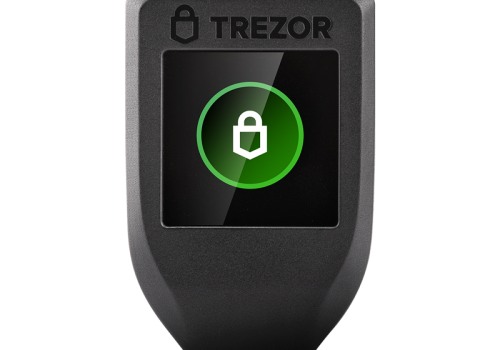
Hardware wallets are physical devices designed to securely store your private keys offline. They are often considered the most secure option for holding cryptocurrencies due to their resistance to online hacking attempts.Popular examples include the Ledger Nano S and Trezor.
- Advantages:
- High security: Since they are offline, they are less vulnerable to cyber attacks.
- Control: Users have full control over their private keys.
- Multi-currency support: Many hardware wallets support a wide range of cryptocurrencies.
- Disadvantages:
- Cost: Hardware wallets can be expensive compared to other wallet types.
- Physical loss: If you lose the device without a backup, you may lose access to your funds.
Software Wallets
Software wallets are applications that can be installed on your computer or mobile device. They come in various forms, including desktop and mobile applications. Software wallets are user-friendly and convenient for everyday transactions.- Advantages:
- Ease of use: They are generally easy to set up and navigate.
- Accessibility: Users can access their funds from anywhere with an internet connection.
- Disadvantages:
- Security risks: Being connected to the internet makes them more susceptible to hacking.
- Dependence on software updates: Users must keep their software updated to protect against vulnerabilities.
Mobile Wallets
Mobile wallets are a subset of software wallets specifically designed for smartphones. They allow users to manage their cryptocurrencies on the go, making them ideal for everyday transactions and purchases.- Advantages:
- Convenience: Users can easily send and receive cryptocurrencies using their mobile devices.
- User-friendly interfaces: Most mobile wallets offer intuitive designs for seamless navigation.
- Disadvantages:
- Security concerns: Mobile devices can be lost or stolen, increasing the risk of unauthorized access.
- Battery dependency: If your phone runs out of battery, you may temporarily lose access to your wallet.
Web Wallets
Web wallets operate in the cloud and can be accessed through any web browser.They are often provided by cryptocurrency exchanges or third-party services. While they offer convenience, users must be cautious about security.
- Advantages:
- No installation required: Users can access their funds from any device with internet access.
- User-friendly: Many web wallets have simple interfaces that cater to beginners.
- Disadvantages:
- Custodial risk: Many web wallets require users to trust a third party with their private keys.
- Vulnerability to phishing attacks: Users may fall victim to scams if they do not verify website authenticity.
Why You Need a Crypto Wallet
In the rapidly evolving world of cryptocurrency, having a crypto wallet is not just a convenience; it is a necessity for anyone looking to engage with digital assets. Here are several compelling reasons why you should consider using a crypto wallet:- Enhanced Security: One of the primary benefits of a crypto wallet is the enhanced security it offers. Unlike keeping your assets on an exchange, which can be vulnerable to hacks and breaches, a crypto wallet allows you to store your private keys securely.
Hardware wallets, in particular, provide an offline storage solution that is less susceptible to cyber threats.
- Full Control Over Your Assets: With a crypto wallet, you have complete control over your digital assets. This means you are not reliant on third-party services to manage your funds. You can send, receive, and store cryptocurrencies at your discretion, ensuring that you are the sole custodian of your wealth.
- Simplified Transactions: Crypto wallets streamline the process of sending and receiving cryptocurrencies. Most wallets come equipped with user-friendly interfaces that make transactions straightforward, allowing you to easily transfer funds to friends or merchants without the complexities often associated with traditional banking systems.
- Access to Multiple Cryptocurrencies: Many crypto wallets support a variety of cryptocurrencies, enabling users to manage different digital assets from a single platform.
This versatility is particularly beneficial for investors who diversify their portfolios across multiple coins.
- Safeguarding Private Keys: The security of your crypto wallet hinges on how well you protect your private keys. A good wallet will offer features such as two-factor authentication (2FA) and backup options to help safeguard these critical components. Losing access to your private keys can mean losing access to your funds permanently.
Security Features of Crypto Wallets
When it comes to managing your digital assets, understanding the security features of a crypto wallet is paramount.With the rise of cryptocurrency, the potential for cyber threats has also increased, making it essential to choose a wallet that prioritizes security.There are several types of crypto wallets, each offering different security features:
- Hardware Wallets: These are physical devices that store your private keys offline. They are considered one of the safest options because they are immune to online hacking attempts. Popular hardware wallets include Ledger and Trezor, which offer features like PIN protection and recovery seed phrases.
- Software Wallets: These wallets can be installed on your computer or mobile device. While they offer convenience, they are more vulnerable to malware and phishing attacks.
To enhance security, look for software wallets that provide two-factor authentication (2FA) and encryption.
- Paper Wallets: A paper wallet is a physical printout of your public and private keys. This method is highly secure as it is completely offline, but it requires careful handling to avoid loss or damage.
- Enable Two-Factor Authentication (2FA): This adds an extra layer of security by requiring a second form of verification, such as a text message or authentication app, in addition to your password.
- Use Strong Passwords: Create complex passwords that include a mix of letters, numbers, and symbols. Avoid using easily guessable information like birthdays or common words.
- Keep Software Updated: Regularly update your wallet software to protect against vulnerabilities. Developers often release updates that patch security flaws.
- Backup Your Wallet: Regularly back up your wallet data and store it in a secure location.
This ensures you can recover your assets in case of device failure or loss.
- Avoid Public Wi-Fi: When accessing your crypto wallet, avoid using public Wi-Fi networks as they can be insecure and expose you to potential hacking attempts.
How to Choose the Right Crypto Wallet for You
Choosing the right crypto wallet is a crucial step for anyone looking to invest in or use cryptocurrencies. With a variety of options available, it’s essential to consider several factors that align with your personal needs and investment goals. Here are some key aspects to evaluate when selecting a crypto wallet:- Security Features: The primary concern for any crypto investor should be security.
Look for wallets that offer robust security measures such as two-factor authentication (2FA), multi-signature support, and encryption. Hardware wallets are generally considered the safest option, as they store your private keys offline, making them less vulnerable to hacking.
- Usability: A user-friendly interface can significantly enhance your experience, especially if you are new to cryptocurrency. Ensure that the wallet you choose has an intuitive design and provides easy navigation. Some wallets also offer mobile apps, which can be convenient for managing your assets on the go.
- Supported Currencies: Not all wallets support every cryptocurrency.
If you plan to invest in multiple digital assets, choose a wallet that accommodates a wide range of currencies. Some wallets specialize in specific coins, while others are more versatile.
- Backup and Recovery Options: It’s vital to have a reliable backup and recovery process in place. Look for wallets that allow you to create recovery phrases or seed phrases, which can help you regain access to your funds in case of loss or theft.
- Transaction Fees: Different wallets have varying fee structures for transactions. Be sure to review these fees, as they can impact your overall investment returns.
Some wallets may charge higher fees for faster transaction processing.
- Reputation and Reviews: Research the wallet’s reputation within the crypto community. User reviews and expert opinions can provide valuable insights into the reliability and performance of a wallet.
Common Misconceptions About Crypto Wallets
As the world of cryptocurrency continues to evolve, so do the myths and misconceptions surrounding crypto wallets.These misunderstandings can create barriers for potential users, preventing them from fully embracing the benefits of digital asset management. Here, we will address some of the most common myths about crypto wallets and clarify the realities behind them.
- Myth 1: Crypto Wallets Store Cryptocurrency
Many people believe that crypto wallets actually hold cryptocurrencies. In reality, wallets do not store digital currencies themselves; instead, they store the cryptographic keys that allow users to access their assets on the blockchain. The blockchain is where all transactions are recorded, and your wallet simply provides a way to interact with this public ledger. - Myth 2: All Wallets Are the Same
Another common misconception is that all crypto wallets function identically.In truth, there are several types of wallets—hardware, software, mobile, and paper—each with its own features and security levels. Hardware wallets are often considered the most secure option because they store keys offline, while software wallets offer convenience for everyday transactions.
- Myth 3: Using a Wallet Is Complicated
Some individuals shy away from using crypto wallets due to the belief that they are too complex to operate. However, many modern wallets are designed with user-friendliness in mind. They often come with intuitive interfaces and step-by-step guides to help users navigate their features easily. - Myth 4: Wallets Are Only for Experienced Users
While it’s true that some advanced features may appeal more to seasoned investors, crypto wallets are accessible to anyone interested in managing their digital assets.Many wallets cater specifically to beginners, offering educational resources and customer support to help new users get started.
- Myth 5: Wallets Are Not Secure
Security is a major concern for anyone dealing with cryptocurrencies. While it’s essential to choose a reputable wallet provider and follow best practices for security, many wallets offer robust protection measures such as two-factor authentication and encryption. By taking appropriate precautions, users can significantly reduce their risk of theft or loss.
Conclusion: The Importance of Having a Crypto Wallet
In conclusion, the significance of having a crypto wallet cannot be overstated for anyone engaging in the world of cryptocurrency.As digital currencies continue to gain traction, the need for a secure and reliable method to store these assets becomes increasingly critical. A crypto wallet serves as your personal vault, safeguarding your investments from potential threats such as hacking, theft, and loss.Throughout this article, we have explored various aspects of crypto wallets , including their types—hardware, software, and paper wallets—and how each offers unique advantages tailored to different user needs. Hardware wallets provide an extra layer of security by keeping your private keys offline, while software wallets offer convenience and accessibility for everyday transactions. Understanding these differences is essential in choosing the right wallet that aligns with your investment strategy.Moreover, we discussed the importance of controlling your private keys.
Unlike traditional banking systems where institutions manage your funds, cryptocurrencies empower you with full ownership and responsibility over your assets. This autonomy comes with the necessity of ensuring that your private keys remain secure and confidential.Additionally, we highlighted how crypto wallets facilitate not just storage but also transactions. They allow you to send and receive cryptocurrencies seamlessly, making them indispensable for anyone looking to engage in trading or purchasing goods and services with digital currencies.As the cryptocurrency landscape evolves, so do the threats associated with it. Cybersecurity risks are ever-present, making it crucial to adopt best practices for wallet security.
Regularly updating your wallet software, using two-factor authentication, and backing up your wallet are just a few steps you can take to enhance your security.Ultimately, whether you are a seasoned investor or a newcomer to the crypto space, having a secure crypto wallet is essential for protecting your digital assets. It not only provides peace of mind but also empowers you to navigate the exciting world of cryptocurrencies with confidence.