In the rapidly evolving world of cryptocurrency, understanding the concept of a crypto wallet is essential for anyone looking to invest or engage with digital currencies like Bitcoin. A crypto wallet serves as a digital tool that allows users to store, send, and receive cryptocurrencies securely. Unlike traditional wallets that hold physical cash, crypto wallets do not store the actual currency but rather the private and public keys that enable transactions on the blockchain. This distinction is crucial, as it highlights the importance of safeguarding these keys to protect your digital assets.There are several types of crypto wallets available, each designed to cater to different user needs and preferences.
Broadly categorized into hot wallets and cold wallets , these wallets vary in terms of accessibility and security. Hot wallets are connected to the internet, making them convenient for frequent transactions but also more vulnerable to hacking attempts. On the other hand, cold wallets are offline storage solutions that provide enhanced security by keeping your private keys away from potential online threats. Examples of cold wallets include hardware wallets like Trezor and Ledger, while hot wallets can be found in mobile apps or web-based platforms.Understanding how crypto wallets work is fundamental for anyone venturing into the cryptocurrency space.
When you create a wallet, you generate a pair of cryptographic keys: a public key, which acts like an address for receiving funds, and a private key, which is used to sign transactions and access your funds. It’s vital to keep your private key confidential; losing it means losing access to your cryptocurrencies permanently. Additionally, many wallets offer features such as backup options and recovery phrases to help users regain access in case of device loss or failure.As you delve deeper into the world of cryptocurrencies, grasping the intricacies of crypto wallets will empower you to make informed decisions about securing your investments. With various options available, understanding their functionalities and security features will guide you in selecting the safest wallet for your Bitcoin and other digital assets.
Types of Crypto Wallets
When it comes to managing cryptocurrencies, understanding the different types of crypto wallets is essential for ensuring the safety and accessibility of your digital assets.Crypto wallets can be broadly categorized into two main types: hardware wallets and software wallets. Each type has its own unique features, advantages, and disadvantages, making it crucial for users to choose the right one based on their individual needs.
Hardware Wallets
Hardware wallets
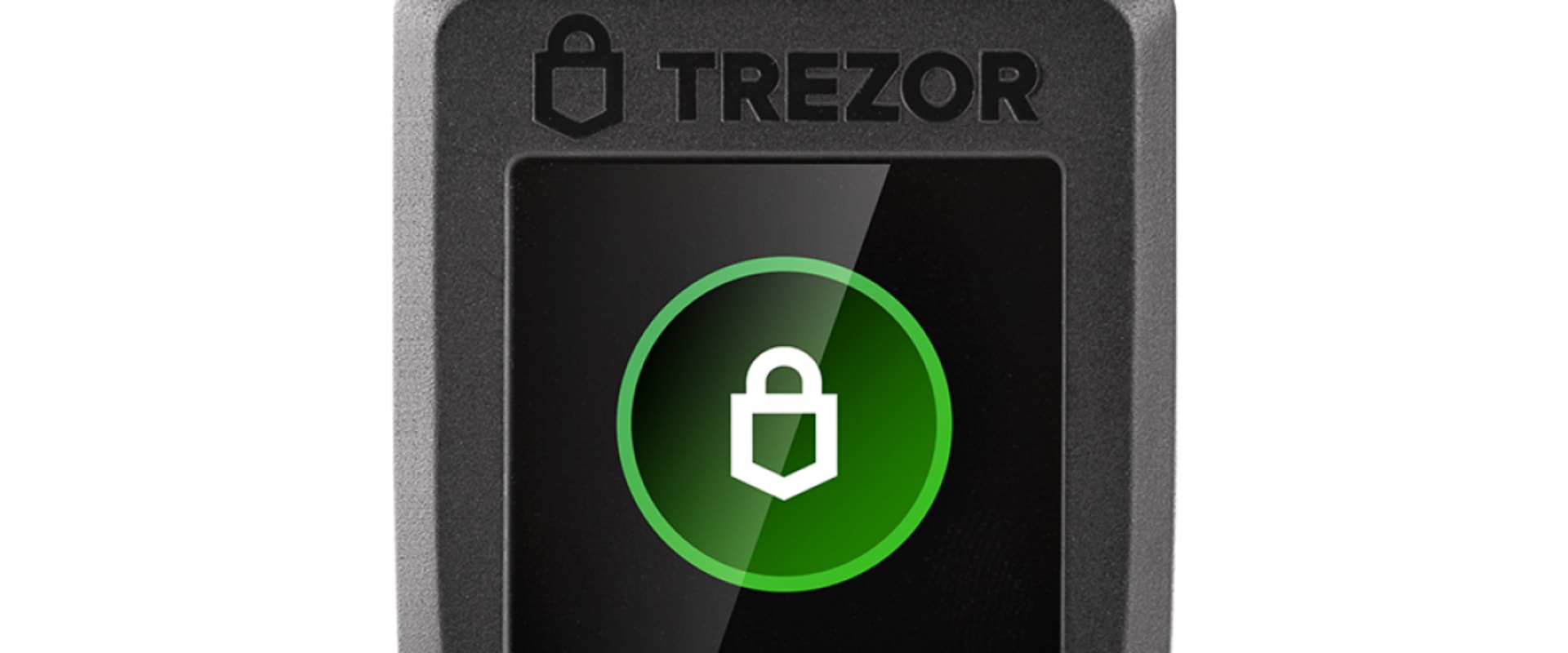
are physical devices designed to securely store your private keys offline. This makes them one of the safest options for holding cryptocurrencies, as they are less susceptible to hacking and malware attacks. Popular examples include the Trezor and Ledger series of wallets.
These devices often come with additional security features such as:
- Multi-factor authentication: Requiring multiple forms of verification before granting access.
- Secure Element chips: Utilizing advanced technology similar to that found in credit cards and passports.
- Backup and recovery options: Allowing users to restore their wallets in case of loss or damage.
Software Wallets
Software wallets
, on the other hand, are applications that can be installed on your computer or mobile device. They are generally more user-friendly and accessible than hardware wallets, making them a popular choice for everyday transactions. Software wallets can be further divided into two categories:
hot wallets
and
cold wallets
.
Hot Wallets
Hot wallets
are connected to the internet, allowing for quick access to your funds. They are ideal for frequent trading or spending but come with increased risks due to their online nature.
Examples include:
- Web wallets: Accessible through web browsers, often provided by exchanges like Coinbase.
- Mobile wallets: Apps designed for smartphones, such as Trust Wallet or Exodus.
Cold Wallets
Cold wallets
, in contrast, are not connected to the internet, providing an extra layer of security against online threats. These include hardware wallets as well as paper wallets—physical documents containing your private keys. Cold storage is recommended for long-term holding of cryptocurrencies, as it minimizes the risk of theft or hacking.In summary, choosing the right type of crypto wallet depends on your specific needs—whether you prioritize security or convenience. By understanding the differences between hardware and software wallets, as well as hot and cold storage options, you can make an informed decision that best suits your cryptocurrency management strategy.
Why Security Matters in Crypto Wallets
When it comes to managing cryptocurrencies, the security of your chosen crypto wallet is paramount.Unlike traditional banking systems, where funds are insured and protected by regulatory bodies, the world of cryptocurrency operates on a decentralized model. This means that if your digital assets are compromised, there is often no recourse for recovery. Therefore, understanding the importance of wallet security is essential for anyone looking to invest in or use cryptocurrencies.
Risks Associated with Insecure Wallets
- Hacking: One of the most significant threats to crypto wallets is hacking. Cybercriminals are constantly developing new methods to exploit vulnerabilities in wallet software and hardware.
Insecure wallets can be easy targets, leading to the loss of funds.
- Phishing Attacks: Users may fall victim to phishing scams where attackers impersonate legitimate wallet services to steal private keys or login credentials. This highlights the need for wallets that offer robust security features.
- Malware: Insecure wallets can be susceptible to malware that can compromise your device and access your wallet information. Using a wallet without adequate security measures increases this risk significantly.
The Importance of Wallet Security Features
When selecting a crypto wallet, prioritizing security features can make a significant difference in safeguarding your assets. Here are some critical security features to consider:
- Two-Factor Authentication (2FA): This adds an extra layer of protection by requiring not only a password but also a second form of verification, such as a text message or authentication app.
- Multi-Signature Support: Multi-signature wallets require multiple private keys to authorize a transaction, making unauthorized access much more difficult.
- Cold Storage Options: Hardware wallets that store your private keys offline are generally considered safer than those that remain connected to the internet.
- Regular Software Updates: A reputable wallet provider will frequently update their software to patch vulnerabilities and enhance security protocols.
By understanding these risks and selecting wallets with robust security features, users can significantly reduce their chances of falling victim to cyber threats.
Top Hardware Wallets for Bitcoin
When it comes to securing your Bitcoin, hardware wallets are often regarded as the gold standard. These physical devices store your private keys offline, making them less vulnerable to hacking attempts compared to software wallets. Among the myriad of options available, Trezor and Ledger stand out as two of the most reputable brands in the market.Trezor: A Leader in Security
Trezor was one of the first hardware wallets introduced to the market and has maintained a strong reputation for security and usability. The latest model, the Trezor Model T , features a touchscreen interface that enhances user experience while providing robust security features.It supports over 1,800 cryptocurrencies, making it versatile for users with diverse portfolios.One of Trezor's standout features is its multi-factor authentication. This adds an extra layer of security by requiring users to verify their identity through multiple means before accessing their funds. Additionally, Trezor employs a secure chip that protects against physical tampering and unauthorized access.
Ledger: Advanced Technology Meets User-Friendliness
Ledger is another heavyweight in the hardware wallet arena, with its flagship product, the Ledger Nano X , offering advanced security features in a compact design. The Nano X includes Bluetooth functionality, allowing users to manage their assets via mobile devices without compromising security.Like Trezor, Ledger supports a wide range of cryptocurrencies—over 1,500—making it an excellent choice for crypto enthusiasts.The Ledger Nano X is equipped with a Secure Element chip , similar to those used in credit cards and passports, which provides top-notch protection against hacking attempts. Furthermore, Ledger's proprietary software, Ledger Live, allows users to easily manage their assets and perform transactions securely.
Why Choose Hardware Wallets?
Both Trezor and Ledger offer unparalleled security features that make them ideal for storing Bitcoin and other cryptocurrencies. By keeping your private keys offline, these wallets significantly reduce the risk of online threats such as phishing attacks or malware. Moreover, they provide users with full control over their funds, unlike custodial wallets where third parties hold your private keys.In conclusion, if you are serious about securing your Bitcoin investments, investing in a hardware wallet like Trezor or Ledger is highly recommended.Their advanced security features and user-friendly interfaces make them among the safest options available today.
Best Software Wallets for Bitcoin
When it comes to managing Bitcoin and other cryptocurrencies, software wallets offer a convenient and user-friendly option. Among the myriad of choices available, two of the most popular software wallets are Exodus and Trust Wallet. Each has its unique features, security measures, and usability that cater to different types of users.Exodus Review
Exodus
is a well-regarded software wallet known for its intuitive design and robust functionality. It supports over 150 cryptocurrencies, making it a versatile choice for users looking to manage multiple assets.
One of the standout features of Exodus is its built-in exchange, which allows users to swap cryptocurrencies directly within the wallet without needing to transfer funds to an external exchange.Security is a top priority for Exodus. The wallet employs strong encryption protocols to protect private keys and transaction data. Users have full control over their private keys, which are stored locally on their devices rather than on centralized servers. This self-custodial approach minimizes the risk of hacks that often plague online exchanges.Additionally, Exodus offers a recovery phrase feature that enables users to restore their wallets in case of device loss or failure.
The wallet also integrates with hardware wallets like Trezor for enhanced security, allowing users to combine the convenience of software with the safety of hardware storage.
Trust Wallet Review
Trust Wallet
, the official wallet of Binance, is another excellent option for Bitcoin holders. It is designed for mobile use, available on both Android and iOS platforms, making it highly accessible for users on the go. Trust Wallet supports a wide range of cryptocurrencies and tokens, including ERC-20 and BEP-2 tokens.The wallet's security features include private key management that allows users to retain full control over their assets. Trust Wallet does not store user data or private keys on its servers, ensuring that your funds remain secure from potential breaches.
Furthermore, it incorporates biometric authentication options such as fingerprint scanning or facial recognition for added security.Trust Wallet also provides a decentralized exchange (DEX) feature, enabling users to trade cryptocurrencies directly from their wallets without relying on third-party services. This feature enhances privacy and reduces transaction fees associated with traditional exchanges.
Security Features of Software Wallets
Both Exodus and Trust Wallet prioritize user security through various measures:- Private Key Control: Users maintain ownership of their private keys, reducing reliance on third-party services.
- Encryption: Strong encryption protocols safeguard sensitive information and transaction data.
- Backup Options: Both wallets offer recovery phrases to restore access in case of device loss.
- Biometric Authentication: Trust Wallet includes biometric options for an extra layer of security.
Comparing Hot and Cold Wallets: Which is Safer?
When it comes to managing your cryptocurrency, understanding the differences between hot and cold wallets is crucial for ensuring the safety of your assets. Each type of wallet has its own set of advantages and disadvantages, particularly in terms of security and usability.Hot Wallets
Hot wallets are connected to the internet, making them convenient for everyday transactions.
They are typically used for trading or spending cryptocurrencies quickly. Examples include mobile wallets, desktop wallets, and web-based wallets. While hot wallets offer ease of access, they come with inherent risks:
- Vulnerability to Hacks: Because they are online, hot wallets are more susceptible to hacking attempts. Cybercriminals often target these wallets to steal funds.
- Phishing Attacks: Users may fall victim to phishing scams that trick them into revealing their private keys or login credentials.
- Less Control: Many hot wallets are custodial, meaning a third party holds your private keys, which can lead to potential loss of funds if the service is compromised.
Cold Wallets
In contrast, cold wallets are offline storage solutions that provide a higher level of security for your cryptocurrencies.
These include hardware wallets and paper wallets. The primary benefits of cold wallets include:
- Enhanced Security: Since cold wallets are not connected to the internet, they are significantly less vulnerable to hacking attempts.
- Full Control: Users have complete control over their private keys, reducing the risk associated with third-party custodianship.
- Long-Term Storage: Cold wallets are ideal for holding cryptocurrencies long-term, as they minimize exposure to online threats.
When to Use Each Type
The choice between hot and cold wallets often depends on your specific needs:
- If you frequently trade or use cryptocurrencies for daily transactions, a hot wallet may be more suitable due to its convenience.
- If you plan to hold your assets for an extended period without frequent transactions, a cold wallet is recommended for its superior security features.
How to Choose the Right Crypto Wallet for You
Choosing the right crypto wallet is a crucial step for anyone looking to invest in or manage cryptocurrencies. With a variety of options available, it’s essential to consider several factors that align with your personal needs and investment strategy.1.Security Features
- Private Key Control: Ensure that you have full control over your private keys.
Non-custodial wallets allow you to manage your keys, reducing the risk of hacks associated with custodial wallets.
- Two-Factor Authentication (2FA): Look for wallets that offer 2FA as an additional layer of security. This feature requires a second form of verification, making unauthorized access more difficult.
- Backup and Recovery Options: A good wallet should provide options for backing up your data and recovering your assets in case of device loss or failure.
2.Ease of Use
- User Interface: The wallet should have an intuitive interface that makes it easy for both beginners and experienced users to navigate.
- Customer Support: Consider wallets that offer robust customer support, including FAQs, live chat, or email assistance, to help you resolve any issues quickly.
3.Supported Currencies
- Diversity of Assets: If you plan to invest in multiple cryptocurrencies, choose a wallet that supports a wide range of digital assets beyond just Bitcoin.
- Future Compatibility: Look for wallets that frequently update their software to support new cryptocurrencies and tokens as they emerge.
4.Personal Investment Strategy
- Long-Term vs. Short-Term Holding: If you’re planning to hold your assets long-term, a hardware wallet may be the best option due to its enhanced security features. For active trading, a mobile or web wallet might be more convenient.
- Transaction Frequency: Consider how often you will be making transactions.
If frequent trading is part of your strategy, opt for a wallet that allows quick access and easy transactions.
Common Security Features to Look For in Crypto Wallets
When selecting a crypto wallet, understanding the security features it offers is crucial for protecting your digital assets. Here are some essential security features to consider:- Two-Factor Authentication (2FA): This feature adds an extra layer of security by requiring not only a password but also a second form of verification. Typically, this involves a code sent to your mobile device or generated by an authentication app.
By enabling 2FA, even if someone obtains your password, they would still need access to your second factor to gain entry into your wallet.
- Multi-Signature Wallets: Multi-signature (or multi-sig) wallets require multiple private keys to authorize a transaction. This means that instead of relying on a single key, you can set up a wallet that requires two or more keys from different devices or individuals. This is particularly useful for businesses or groups managing shared funds, as it reduces the risk of theft or loss due to a single compromised key.
- Backup and Recovery Options: A reliable crypto wallet should provide users with backup and recovery options. This typically involves generating a recovery seed phrase that can be used to restore access to your wallet in case of device loss or failure.
Ensure that the wallet allows you to securely store this seed phrase offline.
- Encryption: Look for wallets that encrypt your private keys and sensitive data. Encryption ensures that even if someone gains access to your device, they cannot easily read or use your keys without the proper decryption methods.
- Regular Software Updates: Security vulnerabilities can arise over time, so it’s essential that the wallet provider regularly updates their software to patch any potential weaknesses. Choose wallets from reputable companies known for their commitment to security and timely updates.
Frequently Asked Questions About Crypto Wallets
As the world of cryptocurrency continues to grow, many potential users have questions about crypto wallets and how they function. Below are some of the most frequently asked questions regarding crypto wallets, their security, and best practices for use.What is a crypto wallet?
A crypto wallet is a digital tool that allows users to store, send, and receive cryptocurrencies like Bitcoin.Unlike traditional wallets that hold physical cash, crypto wallets store your public and private keys, which are essential for managing your digital assets. There are two main types of wallets: hot wallets (connected to the internet) and cold wallets (offline storage).
How do I secure my crypto wallet?
Securing your crypto wallet is crucial to protect your assets from theft or loss. Here are some effective measures:- Use strong passwords: Create complex passwords that include a mix of letters, numbers, and symbols.
- Enable two-factor authentication (2FA): This adds an extra layer of security by requiring a second form of verification.
- Keep software updated: Regularly update your wallet software to protect against vulnerabilities.
- Backup your wallet: Regularly back up your wallet data and store it in a secure location.
- Use hardware wallets: For long-term storage, consider using a hardware wallet, which keeps your keys offline.
What happens if I lose access to my crypto wallet?
If you lose access to your crypto wallet, recovery depends on the type of wallet you are using. Most wallets provide a recovery seed phrase during setup.If you have this phrase, you can restore your wallet on another device. However, if you do not have the seed phrase or backup, you may permanently lose access to your funds.
Can I use multiple crypto wallets?
Yes, many users opt to use multiple crypto wallets for various reasons. For instance, you might use a hot wallet for daily transactions and a cold wallet for long-term storage. This strategy can enhance security and provide flexibility in managing your assets.If you have more questions about crypto wallets or need further clarification on specific topics, feel free to reach out to community forums or consult with experienced users in the cryptocurrency space.Conclusion: Finding Your Ideal Crypto Wallet
In conclusion, selecting the right crypto wallet for your Bitcoin and other digital assets is a critical decision that can significantly impact your investment's security and accessibility.Throughout this article, we have explored various types of wallets, including hardware, software, and custodial options, each with its unique advantages and disadvantages.When considering a crypto wallet, it is essential to assess your individual needs and preferences. For instance, if you prioritize security above all else, a hardware wallet like Trezor or Ledger may be the best choice. These wallets offer robust protection against hacking and unauthorized access by storing your private keys offline.On the other hand, if you are looking for convenience and ease of use, software wallets such as Exodus or Trust Wallet can provide a user-friendly experience while still offering decent security features. These wallets allow for quick transactions and easy management of multiple cryptocurrencies but require you to take extra precautions to safeguard your private keys.Moreover, understanding the risks associated with different wallet types is crucial.
Custodial wallets, like those offered by exchanges such as Coinbase, may be more accessible for beginners but come with the risk of losing access to your funds if the exchange faces security breaches or operational issues. Therefore, it is advisable to consider non-custodial options where you maintain control over your private keys.Ultimately, the ideal crypto wallet for you will depend on your specific circumstances, including how often you trade, the amount of cryptocurrency you hold, and your comfort level with technology. Take the time to research and compare different wallets based on their features, security measures, and user reviews.As you embark on your cryptocurrency journey, remember that the safety of your assets is paramount. By choosing a wallet that aligns with your needs and implementing best practices for security—such as enabling two-factor authentication and regularly backing up your recovery information—you can significantly reduce the risk of loss.Now that you are equipped with knowledge about various crypto wallets, it’s time to take action.
Evaluate your options carefully and make an informed decision that will help protect your investments in the ever-evolving world of cryptocurrency.