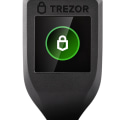
In the rapidly evolving world of digital currencies, understanding the role of a crypto wallet is essential for anyone looking to engage with cryptocurrencies. A crypto wallet serves as a digital interface that allows users to store, send, and receive various cryptocurrencies like Bitcoin and Ethereum. Unlike traditional wallets that hold physical cash, crypto wallets manage cryptographic keys that grant access to your digital assets on the blockchain. This fundamental difference highlights the importance of having a secure and reliable wallet to safeguard your investments, much like how one should consider the Ketogenic Diet Evaluating Its Impact on Heart health.The concept of a crypto wallet can be likened to a bank account, but with greater control and responsibility. is essential for anyone looking to engage with cryptocurrencies. A crypto wallet serves as a digital interface that allows users to store, send, and receive various cryptocurrencies like Bitcoin and Ethereum. Unlike traditional wallets that hold physical cash, crypto wallets manage cryptographic keys that grant access to your digital assets on the blockchain. This fundamental difference highlights the importance of having a secure and reliable wallet to safeguard your investments, much like how one should consider the Ketogenic Diet Evaluating Its Impact on Heart health.The concept of a crypto wallet can be likened to a bank account, but with greater control and responsibility.
When you create a wallet, you generate a pair of cryptographic keys: a public key, which acts as your wallet address for receiving funds, and a private key, which is crucial for authorizing transactions. Losing access to your private key can result in losing your funds permanently, making it imperative to understand how these wallets function and the best practices for their use.Moreover, the significance of crypto wallets extends beyond mere storage; they are integral to participating in the broader cryptocurrency ecosystem. Whether you are trading on exchanges, investing in decentralized finance (DeFi), or simply holding assets for future appreciation, having a reliable crypto wallet is vital. It not only provides security but also enhances your ability to interact with various blockchain applications and services.
As you delve deeper into the world of cryptocurrencies, recognizing the importance of a crypto wallet will empower you to navigate this exciting landscape with confidence.
What is a Crypto Wallet?
A crypto wallet is a digital tool that allows users to store, send, and receive cryptocurrencies. Unlike a traditional wallet that holds physical cash, a crypto wallet does not store the actual cryptocurrency itself. Instead, it stores the cryptographic keys that provide access to your digital assets on the blockchain. These keys are essential for managing your cryptocurrency transactions and ensuring the security of your funds.To better understand how a crypto wallet functions, it’s important to recognize the two main components involved: the public key and the private key.The public key is akin to an email address; it is shared with others to receive funds. In contrast, the private key is like a password; it must be kept secret as it grants access to your wallet and allows you to send cryptocurrencies. Losing your private key can result in losing access to your funds permanently.
Types of Crypto Wallets
There are several types of crypto wallets, each serving different needs and preferences:- Hot Wallets: These wallets are connected to the internet and are ideal for frequent transactions. They include web wallets, mobile wallets, and desktop wallets.
While they offer convenience, they are more vulnerable to hacking.
- Cold Wallets: Cold wallets are offline storage solutions that provide enhanced security for long-term holdings. Examples include hardware wallets and paper wallets. They are less convenient for daily transactions but significantly reduce the risk of online theft.
- Custodial Wallets: These wallets are managed by third-party services, such as exchanges. Users do not have direct control over their private keys, which can pose risks if the service is compromised.
- Non-Custodial Wallets: In contrast, non-custodial wallets give users full control over their private keys.
This type of wallet is recommended for those who prioritize security and autonomy over their assets.
Types of Crypto Wallets
When it comes to managing your cryptocurrencies, understanding the different types of crypto wallets is crucial. Each type serves a unique purpose and offers varying levels of security, accessibility, and convenience.The two primary categories of crypto wallets are hot wallets and cold wallets .
Hot Wallets
Hot wallets are digital wallets that are connected to the internet. They are designed for ease of use and quick access to your cryptocurrencies, making them ideal for active traders. Here are some key features:- Accessibility: Hot wallets allow you to send and receive cryptocurrencies instantly, which is perfect for day-to-day transactions.
- User-Friendly: Most hot wallets come with intuitive interfaces, making them suitable for beginners.
- Variety: They can be found in various forms, including mobile apps, desktop applications, and web-based platforms.
- Security Vulnerabilities: Being online makes them susceptible to hacking and phishing attacks.
- Less Control: If you use a wallet provided by an exchange, you may not have full control over your private keys.
Cold Wallets
In contrast, cold wallets are offline storage solutions that provide enhanced security for your cryptocurrencies. They are best suited for long-term holders who prioritize safety over convenience.Key characteristics include:
- Enhanced Security: Cold wallets are not connected to the internet, significantly reducing the risk of hacking.
- Types: Common forms include hardware wallets (like Ledger or Trezor) and paper wallets.
- Long-Term Storage: Ideal for those who plan to hold their assets for an extended period without frequent transactions.
- Lack of Accessibility: Accessing funds can be cumbersome since you need to connect the wallet to a device or retrieve a physical document.
- User Complexity: Setting up a cold wallet may require more technical knowledge compared to hot wallets.
Why You Need a Crypto Wallet
In the rapidly evolving world of cryptocurrencies, having a crypto wallet is not just a convenience; it is a necessity for anyone looking to engage with digital assets.Here are several compelling reasons why you need a crypto wallet:
- Enhanced Security: One of the primary reasons to use a crypto wallet is the enhanced security it provides. Unlike keeping your cryptocurrencies on an exchange, which can be vulnerable to hacks and theft, a personal wallet allows you to control your private keys. This means that only you have access to your funds, significantly reducing the risk of unauthorized access.
- Full Control Over Your Assets: A crypto wallet gives you complete control over your digital assets. With a wallet, you are not reliant on third-party services that may impose restrictions or fees.
You can send, receive, and manage your cryptocurrencies freely, making it easier to execute transactions according to your preferences.
- Simplicity in Transactions: Using a crypto wallet simplifies the process of sending and receiving cryptocurrencies. Wallets often come with user-friendly interfaces that make it easy to manage multiple currencies and track transactions. This ease of use is particularly beneficial for newcomers who may find the world of cryptocurrency daunting.
- Backup and Recovery Options: Most crypto wallets offer backup and recovery options, such as seed phrases or recovery keys. These features ensure that even if you lose access to your device, you can still recover your funds.
This level of assurance is crucial for anyone holding significant amounts of cryptocurrency.
- Access to Advanced Features: Many wallets come equipped with advanced features such as staking, lending, and trading capabilities. These functionalities allow users to maximize their investment potential directly from their wallets without needing to transfer funds back and forth between exchanges.
How to Choose the Right Crypto Wallet
Choosing the right crypto wallet is a crucial step for anyone looking to manage their digital assets effectively. With various options available, it’s essential to consider several factors to ensure that your wallet meets your specific needs.1.Security Features
- Private Keys: Ensure that the wallet allows you to control your private keys.
Non-custodial wallets give you full ownership of your keys, enhancing security.
- Two-Factor Authentication (2FA): Look for wallets that offer 2FA as an additional layer of protection against unauthorized access.
- Backup Options: A good wallet should provide options for backing up your data, such as seed phrases or recovery keys, which are vital in case you lose access.
2.User Experience
- Interface: The wallet should have an intuitive interface that makes it easy for both beginners and experienced users to navigate.
- Customer Support: Reliable customer support can be invaluable, especially if you encounter issues or have questions about using the wallet.
- Mobile vs. Desktop: Consider whether you prefer a mobile wallet for on-the-go transactions or a desktop wallet for more extensive management and security.
3.Compatibility with Cryptocurrencies
- Supported Coins: Ensure the wallet supports the specific cryptocurrencies you plan to hold. Some wallets are designed for specific coins, while others support a wide range.
- Token Standards: If you’re interested in holding tokens built on platforms like Ethereum, check if the wallet supports ERC-20 tokens.
4.Additional Features
- Integration with Exchanges: Some wallets allow direct trading or integration with exchanges, making it easier to buy and sell cryptocurrencies without transferring funds between platforms.
- Multi-Signature Support: For added security, consider wallets that offer multi-signature features, requiring multiple approvals for transactions.
Setting Up Your Crypto Wallet
Setting up your crypto wallet is a crucial first step for anyone looking to engage with cryptocurrencies.Whether you are a novice or an experienced trader, understanding how to create and manage your wallet can significantly enhance your security and trading experience. Below is a comprehensive guide on how to set up various types of crypto wallets.
1.Choose the Right Type of Wallet
Before diving into the setup process, it’s essential to choose the right type of wallet that suits your needs:- Hot Wallets: These are connected to the internet and are ideal for frequent transactions. Examples include mobile apps and web wallets.
- Cold Wallets: These are offline storage options, such as hardware wallets or paper wallets, providing enhanced security for long-term holdings.
2.Downloading and Installing a Hot Wallet
If you opt for a hot wallet, follow these steps:- Select a Wallet Provider: Research and choose a reputable wallet provider. Popular options include Coinbase Wallet, Exodus, and Trust Wallet.
- Download the App: Visit the official website or app store to download the wallet application.
Ensure you are downloading from a legitimate source to avoid scams.
- Create an Account: Open the app and follow the prompts to create an account. You may need to provide an email address and set a strong password.
- Backup Your Wallet: Most wallets will prompt you to back up your wallet by creating a recovery phrase. Write this down and store it securely; it’s crucial for recovering your funds if you lose access.
3.Setting Up a Cold Wallet
If you prefer a cold wallet for better security, here’s how to set one up:- Purchase a Hardware Wallet: Buy a hardware wallet from a reputable manufacturer like Ledger or Trezor. Avoid purchasing second-hand devices.
- Install Software: Follow the manufacturer’s instructions to install any necessary software on your computer or mobile device.
- Create Your Wallet: Connect your hardware wallet to your device and follow the setup instructions.
This usually involves creating a PIN and generating a recovery phrase.
- Transfer Funds: Once set up, you can transfer cryptocurrencies from exchanges or other wallets into your cold wallet for safekeeping.
Securing Your Crypto Wallet
Securing your crypto wallet is paramount in safeguarding your digital assets from theft, loss, or unauthorized access. As the popularity of cryptocurrencies continues to rise, so does the sophistication of cyber threats targeting these wallets. Understanding how to protect your wallet is essential for anyone involved in the crypto space.Common Threats to Crypto Wallets
Before diving into security measures, it’s crucial to recognize the common threats that can compromise your crypto wallet:- Phishing Attacks: Scammers often use fake websites or emails to trick users into revealing their private keys or seed phrases.
- Malware: Malicious software can be used to gain access to your device and steal sensitive information.
- Physical Theft: If someone gains physical access to your device, they may be able to access your wallet.
- Social Engineering: Scammers may manipulate individuals into providing access to their wallets through deceitful tactics.
Best Practices for Securing Your Crypto Wallet
To effectively protect your cryptocurrency assets, consider implementing the following best practices:- Use Strong Passwords: Create complex passwords that include a mix of letters, numbers, and symbols.
Avoid using easily guessable information.
- Enable Two-Factor Authentication (2FA): Whenever possible, activate 2FA on your wallet and any associated accounts. This adds an extra layer of security by requiring a second form of verification.
- Keep Software Updated: Regularly update your wallet software and any devices you use for transactions. Updates often include security patches that protect against vulnerabilities.
- Store Your Private Keys Securely: If you’re using a non-custodial wallet, ensure that your private keys are stored in a secure location. Consider using hardware wallets for added protection.
- Avoid Public Wi-Fi: Conduct transactions over secure networks.
Public Wi-Fi can expose you to various security risks.
- Be Wary of Links and Attachments: Always verify the authenticity of links and attachments before clicking on them. This is especially important in emails or messages related to cryptocurrency.
Avoiding Scams in Crypto Wallets
The crypto space is rife with scams, making it essential to stay vigilant. Here are some tips to help you avoid falling victim:- Research Wallet Providers: Before choosing a wallet, research its reputation and read user reviews. Look for wallets with a proven track record of security.
- Never Share Your Seed Phrase: Your seed phrase is the key to your wallet.
Never share it with anyone, and be cautious of unsolicited requests for this information.
- Use Official Sources: Always download wallet software from official websites or trusted app stores to avoid counterfeit versions that may contain malware.
Common Mistakes to Avoid with Crypto Wallets
Managing a crypto wallet can be a rewarding experience, but it also comes with its own set of challenges. Many users, especially those new to the world of cryptocurrencies, often make mistakes that can lead to significant losses or security breaches. Here are some common pitfalls to avoid when using your crypto wallet:- Neglecting Security Measures: One of the most critical mistakes is failing to implement robust security practices. Always enable two-factor authentication (2FA) on your wallet and use strong, unique passwords.
Avoid using easily guessable information like birthdays or common words.
- Ignoring Backup Procedures: Many users overlook the importance of backing up their wallets. If you lose access to your wallet due to a device failure or theft, having a backup can save your assets. Make sure to securely store your seed phrase or recovery keys in multiple safe locations.
- Using Public Wi-Fi: Accessing your crypto wallet over public Wi-Fi networks can expose you to hacking attempts. Always use a secure, private connection when managing your cryptocurrencies.
- Falling for Phishing Scams: Be cautious of unsolicited emails or messages that ask for your wallet information.
Scammers often create fake websites that mimic legitimate services to steal your credentials. Always verify URLs and never share your private keys.
- Overlooking Software Updates: Keeping your wallet software up-to-date is crucial for security. Developers frequently release updates that patch vulnerabilities and improve functionality. Regularly check for updates and install them promptly.
- Storing All Assets in One Wallet: While it may seem convenient, keeping all your cryptocurrencies in one wallet increases risk.
Consider diversifying by using multiple wallets—some for daily transactions and others for long-term storage.
- Not Understanding Transaction Fees: Each transaction made with a crypto wallet incurs fees, which can vary significantly based on network congestion. Familiarize yourself with these fees to avoid unexpected costs when sending or receiving funds.
Conclusion: The Importance of Having a Crypto Wallet
In summary, the necessity of having a crypto wallet cannot be overstated. As the digital currency landscape continues to evolve, securing your assets becomes paramount.A crypto wallet serves as your personal vault, safeguarding your private keys and enabling you to interact with various blockchain networks seamlessly.Throughout this article, we have explored the fundamental roles that crypto wallets play in the world of cryptocurrencies. From facilitating transactions to providing a secure environment for your digital assets, these wallets are essential for anyone looking to engage with cryptocurrencies like Bitcoin and Ethereum.Moreover, understanding the different types of wallets—hot wallets for quick access and cold wallets for long-term storage—allows you to tailor your approach based on your trading habits and security needs. By choosing the right wallet, you can optimize both the accessibility and safety of your investments.As we have discussed, the risks associated with not having a crypto wallet are significant. Relying solely on exchanges for storage exposes you to potential hacks and loss of funds.
A non-custodial wallet empowers you with full control over your assets, ensuring that you are the only one who can access them.In conclusion, taking action to secure your digital assets with a reliable crypto wallet is not just a recommendation; it is a necessity in today’s digital economy. Whether you are a seasoned trader or just starting out, investing in a crypto wallet is an essential step towards protecting your financial future. Don’t wait until it’s too late—choose a wallet that fits your needs and start securing your cryptocurrencies today.