In the rapidly evolving world of cryptocurrency, understanding Bitcoin wallets is crucial for anyone looking to engage with digital currencies. A Bitcoin wallet serves as a digital tool that allows users to store, send, and receive Bitcoin securely. Unlike traditional wallets that hold physical cash, a Bitcoin wallet does not store the actual currency but rather the cryptographic keys that provide access to your Bitcoin on the blockchain. This distinction is vital, as it underscores the importance of safeguarding these keys to prevent unauthorized access and potential loss of funds, especially when using them at the best bitcoin casinos online.There are several types of Bitcoin wallets available, each designed to cater to different user needs and preferences. is crucial for anyone looking to engage with digital currencies. A Bitcoin wallet serves as a digital tool that allows users to store, send, and receive Bitcoin securely. Unlike traditional wallets that hold physical cash, a Bitcoin wallet does not store the actual currency but rather the cryptographic keys that provide access to your Bitcoin on the blockchain. This distinction is vital, as it underscores the importance of safeguarding these keys to prevent unauthorized access and potential loss of funds, especially when using them at the best bitcoin casinos online.There are several types of Bitcoin wallets available, each designed to cater to different user needs and preferences.
Broadly categorized, these wallets can be classified into hot wallets and cold wallets. Hot wallets are connected to the internet and are typically more convenient for frequent transactions, making them ideal for active traders. However, their constant online presence makes them more vulnerable to hacking attempts. On the other hand, cold wallets are offline storage solutions that provide enhanced security for long-term holders who prioritize safety over convenience.Understanding the various types of crypto wallets is essential not only for managing your assets but also for navigating the often complex fee structures associated with them.
Some wallets charge transaction fees, while others may offer free transfers between users of the same wallet service. This section will delve deeper into these distinctions, helping you make informed decisions about which wallet best suits your needs while minimizing costs.As we explore the landscape of Bitcoin wallets further, it becomes clear that choosing the right wallet is not just about functionality; it’s also about understanding how fees can impact your overall experience in the cryptocurrency ecosystem. Whether you are a seasoned investor or a newcomer eager to explore the world of digital currencies, grasping the fundamentals of Bitcoin wallets will empower you to manage your assets effectively and securely.
Types of Bitcoin Wallets
When it comes to managing Bitcoin, understanding the different types of wallets available is essential for both security and convenience. Each type of wallet serves a unique purpose and caters to different user needs.Here’s a breakdown of the primary categories of Bitcoin wallets:
- Hot Wallets: These wallets are connected to the internet, making them highly accessible for everyday transactions. Hot wallets are ideal for users who frequently buy, sell, or trade Bitcoin. They come in various forms, including:
- Web Wallets: Accessible through web browsers, these wallets allow users to manage their Bitcoin from any device with internet access. While convenient, they can be vulnerable to hacking.
- Mobile Wallets: Designed for smartphones, mobile wallets offer a user-friendly interface for managing Bitcoin on the go.
They often include features like QR code scanning for easy transactions.
- Desktop Wallets: Installed on personal computers, desktop wallets provide more control over private keys compared to web wallets. However, they are still susceptible to malware and other online threats.
- Cold Wallets: In contrast to hot wallets, cold wallets are not connected to the internet, providing enhanced security against online threats. They are best suited for long-term storage of Bitcoin. Types of cold wallets include:
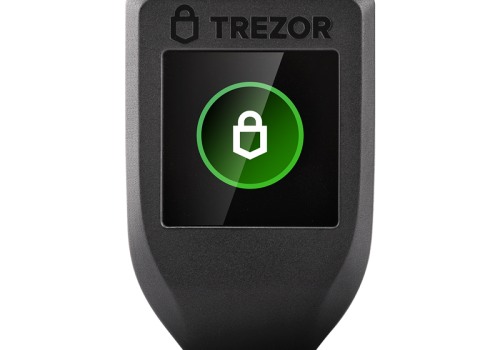
- Hardware Wallets: These physical devices store private keys offline and are considered one of the safest options for holding Bitcoin.
Popular hardware wallets include Ledger and Trezor, which offer robust security features and user-friendly interfaces.
- Paper Wallets: A paper wallet involves printing your public and private keys on paper. While this method eliminates online risks, it requires careful handling to avoid loss or damage.
What Are Wallet Fees?
When navigating the world of cryptocurrency, understanding wallet fees is crucial for making informed decisions about where to store your digital assets.Wallet fees can vary significantly based on the type of wallet you choose, the transactions you conduct, and the specific services offered by the wallet provider.
Types of Wallet Fees
- Transaction Fees: These are fees charged when you send or receive cryptocurrency. Transaction fees can fluctuate based on network congestion and the specific cryptocurrency being transacted. For instance, Bitcoin transaction fees can vary widely depending on how busy the network is at any given time. During peak periods, these fees can increase substantially.
- Wallet Maintenance Fees: Some wallets, particularly those that offer additional services or features, may charge a maintenance fee.
This fee is typically a recurring charge that covers the costs associated with keeping your wallet secure and operational. Not all wallets impose this fee, so it’s essential to read the terms before choosing a wallet.
- Withdrawal Fees: If you decide to transfer your cryptocurrency from your wallet to an exchange or another wallet, you may incur withdrawal fees. These fees can vary based on the wallet provider and the amount being withdrawn.
- Wallet Type: Different types of wallets—such as hot wallets (online) and cold wallets (offline)—may have different fee structures. Hot wallets often have lower transaction fees but may charge for maintenance due to their ongoing connectivity and security measures.
- Provider Policies: Each wallet provider has its own policies regarding fees.
Some may offer free transactions between users of the same wallet, while others may charge for every transaction regardless of the recipient.
- Market Conditions: The overall state of the cryptocurrency market can also impact fees. For example, during a market surge or significant news events, transaction volumes can spike, leading to higher fees.
Bitcoin Wallets with No Fees
When it comes to managing your Bitcoin, finding a crypto wallet that does not charge fees can significantly enhance your trading experience. Below are some of the most notable Bitcoin wallets that offer zero fees, along with their unique features and security measures.1.Freewallet
Freewallet is a popular choice among users looking for a free Bitcoin wallet.It allows users to send Bitcoin between Freewallet accounts without incurring any fees. This wallet supports a wide range of cryptocurrencies, making it versatile for users who hold multiple digital assets. Its user-friendly interface is particularly appealing to beginners, while its robust security features, including two-factor authentication (2FA) and biometric login options, ensure that your funds remain safe.
2.Electrum
Electrum is another excellent option for those seeking a no-fee Bitcoin wallet. This lightweight wallet is known for its speed and efficiency, allowing users to manage their Bitcoin with ease.Electrum does not charge any fees for sending or receiving Bitcoin; however, users can choose to set their own transaction fees based on how quickly they want their transactions to be processed. The wallet also offers advanced security features such as seed phrase backup and hardware wallet integration, making it a favorite among more experienced users.
3.Mycelium
Mycelium is a mobile-focused crypto wallet that has gained popularity due to its no-fee policy for internal transactions. Users can send Bitcoin to other Mycelium wallets without any charges. The wallet also provides advanced privacy features, including the ability to connect to Tor for anonymous transactions.Mycelium supports hardware wallets and offers an integrated exchange feature, allowing users to trade directly within the app.
4.Atomic Wallet
Atomic Wallet stands out as a decentralized option that allows users to manage over 500 cryptocurrencies without charging any fees for internal transfers. Its built-in exchange feature enables users to swap cryptocurrencies directly within the wallet without third-party involvement, enhancing both convenience and security. Atomic Wallet employs strong encryption protocols and offers a user-friendly interface suitable for both beginners and seasoned traders.Choosing the right Bitcoin wallet with no fees can save you money in the long run while providing you with the necessary tools to manage your investments effectively. Each of these wallets offers unique features tailored to different user needs, ensuring that you can find one that fits your requirements perfectly.Comparing Popular No-Fee Bitcoin Wallets
When it comes to choosing a Bitcoin wallet that does not charge fees, several options stand out in the crowded cryptocurrency landscape.Below is a comparative analysis of some of the most popular no-fee Bitcoin wallets, highlighting their features, advantages, and potential drawbacks.
- Freewallet
- Pros: Freewallet allows users to send Bitcoin between Freewallet accounts without incurring any fees. It supports a wide range of cryptocurrencies and offers a user-friendly interface, making it ideal for beginners.
- Cons: While sending coins between Freewallet accounts is free, transferring Bitcoin to external wallets may incur fees. Additionally, the wallet is custodial, meaning users do not have full control over their private keys.
- Coinomi
- Pros: Coinomi is a multi-currency wallet that supports over 1,770 cryptocurrencies. It does not charge fees for sending or receiving Bitcoin, and it provides users with full control over their private keys.
- Cons: Some users have reported issues with customer support.
Additionally, while the wallet itself is free, there may be network fees associated with transactions.
- Exodus
- Pros: Exodus is known for its intuitive design and ease of use. It allows users to exchange cryptocurrencies within the wallet without fees and provides full control over private keys.
- Cons: Exodus does not support as many cryptocurrencies as some other wallets, and while there are no fees for internal exchanges, network fees may apply for external transactions.
- Trust Wallet
- Pros: Trust Wallet is a decentralized wallet that supports a wide variety of cryptocurrencies. It does not charge any fees for sending or receiving Bitcoin and gives users complete control over their private keys.
- Cons: As a mobile-only wallet, it may not be suitable for all users. Additionally, while the wallet itself is free, transaction fees may still apply depending on the network congestion.
Factors such as security, ease of use, and control over private keys are crucial when selecting the best free crypto wallet for your needs.
Security Considerations for No-Fee Wallets
When considering a no-fee Bitcoin wallet, security should be at the forefront of your decision-making process. While the absence of fees can be appealing, it often raises questions about the safety and reliability of the wallet. Here, we will explore the security aspects associated with no-fee wallets and provide essential tips for protecting your crypto assets.Understanding the Risks
No-fee wallets can sometimes compromise on security features to maintain their zero-cost model. Users should be aware of potential risks, including:
- Limited Customer Support: Many no-fee wallets may not offer robust customer support, making it difficult to resolve issues or recover lost funds.
- Vulnerability to Hacks: Wallets that do not charge fees may lack advanced security measures, making them more susceptible to hacking attempts.
- Data Privacy Concerns: Some free wallets may collect user data or display ads, which can lead to privacy issues.
Choosing a Safe No-Fee Wallet
To ensure that you select a secure no-fee wallet, consider the following factors:
- Reputation: Research the wallet's reputation within the cryptocurrency community.
Look for reviews and feedback from other users to gauge its reliability.
- Security Features: Opt for wallets that offer two-factor authentication (2FA), encryption, and backup options. These features significantly enhance your wallet's security.
- Open Source Software: Wallets that are open source allow for community scrutiny, which can help identify vulnerabilities and improve overall security.
Best Practices for Protecting Your Crypto Assets
Regardless of the wallet you choose, implementing best practices is crucial for safeguarding your cryptocurrencies:
- Enable Two-Factor Authentication: Always activate 2FA if available. This adds an extra layer of protection by requiring a second form of verification.
- Keep Your Private Keys Secure: Never share your private keys with anyone. Store them in a secure location, preferably offline.
- Regularly Update Your Wallet: Ensure that your wallet software is up-to-date to protect against known vulnerabilities.
- Be Wary of Phishing Attempts: Always verify URLs and avoid clicking on suspicious links that may lead to phishing sites.
By understanding these risks and following best practices for security, you can better protect your crypto assets and enjoy a safer cryptocurrency experience.
User Experiences and Reviews
When it comes to choosing a Bitcoin wallet that does not charge fees, user experiences and reviews can provide invaluable insights. Many users have shared their thoughts on various no-fee wallets, highlighting both the advantages and potential drawbacks of these options.One popular choice among users is Freewallet. Many testimonials praise its user-friendly interface and the fact that sending coins between Freewallet accounts incurs no fees. A user named Sarah from California noted, "I love how easy it is to send Bitcoin to my friends without worrying about transaction fees.It makes sharing crypto so much simpler!" However, some users have expressed concerns about the wallet's security features, emphasizing the importance of keeping their private keys safe.Another wallet that has garnered attention is Coinomi. Users appreciate its support for multiple cryptocurrencies and the absence of transaction fees. John, a crypto enthusiast from New York, shared his experience: "Coinomi has been my go-to wallet for years. I can store various coins without worrying about hidden fees, and the exchange feature is seamless!" However, some reviews mention that the wallet's customer support could be improved, as response times can be slow during peak periods.
Exodus
is also frequently mentioned in discussions about no-fee wallets.
Users like Emily from Texas have highlighted its attractive design and ease of use. "Exodus makes managing my crypto portfolio enjoyable. I can swap coins without any fees, which is a huge plus!" Despite its many positive attributes, some users have pointed out that Exodus is not fully open-source, which raises questions about transparency.In addition to these wallets, many users recommend exploring hardware wallets like Trezor and Ledger Nano S. While these options may involve an initial purchase cost, they often provide enhanced security features that can outweigh the benefits of free software wallets.
A user named Mark stated, "I invested in a Trezor because I wanted peace of mind for my long-term investments. The upfront cost was worth it for the security it offers."Overall, user experiences with no-fee Bitcoin wallets vary widely. While many users appreciate the cost savings associated with these wallets, others emphasize the importance of security and customer support. As always, potential users should conduct thorough research and consider their individual needs before selecting a wallet.
Frequently Asked Questions (FAQs)
When exploring the world of Bitcoin wallets, many users have questions, especially regarding wallets that do not charge fees.Below are some frequently asked questions that can help clarify common concerns and provide valuable insights into no-fee Bitcoin wallets.
What is a no-fee Bitcoin wallet?
A no-fee Bitcoin wallet is a type of cryptocurrency wallet that allows users to store, send, and receive Bitcoin without incurring transaction fees. These wallets typically generate revenue through other means, such as premium features or partnerships, rather than charging users directly for transactions.Are there any risks associated with using a no-fee Bitcoin wallet?
While no-fee wallets can be appealing, they may come with certain risks. Some potential concerns include:- Security: Not all no-fee wallets offer the same level of security as paid options. It's essential to research the wallet's security features before using it.
- Limited functionality: Some no-fee wallets may lack advanced features found in paid wallets, such as multi-signature support or enhanced privacy options.
- Customer support: Free services may not provide robust customer support, which can be problematic if you encounter issues.
Can I trust free Bitcoin wallets?
Trustworthiness varies among free Bitcoin wallets.It is crucial to choose a wallet from a reputable provider with positive user reviews and a transparent operating model. Look for wallets that have been in the market for a while and have established a good reputation within the cryptocurrency community.
How do I choose the best no-fee Bitcoin wallet?
Selecting the right no-fee Bitcoin wallet involves considering several factors:- Security features: Ensure the wallet has strong encryption and two-factor authentication.
- User experience: The interface should be intuitive and easy to navigate, especially for beginners.
- Supported cryptocurrencies: If you plan to hold multiple cryptocurrencies, check if the wallet supports them.
- Community feedback: Research user reviews and ratings to gauge overall satisfaction with the wallet.
Conclusion: Choosing the Right No-Fee Bitcoin Wallet for You
In conclusion, selecting the right no-fee Bitcoin wallet is a crucial decision that can significantly impact your cryptocurrency experience. As we have explored throughout this article, there are various options available, each with its unique features, advantages, and potential drawbacks. Understanding these factors is essential for making an informed choice that aligns with your individual needs and preferences.When considering a no-fee crypto wallet, it’s important to evaluate the following aspects:- Security Features: The safety of your digital assets should be your top priority.
Look for wallets that offer robust security measures such as two-factor authentication, encryption, and backup options.
- User Experience: A wallet that is easy to navigate can enhance your overall experience. Whether you are a beginner or an experienced user, choose a wallet that suits your comfort level and technical expertise.
- Supported Cryptocurrencies: If you plan to diversify your portfolio beyond Bitcoin, ensure that the wallet supports multiple cryptocurrencies. This flexibility can save you from the hassle of managing multiple wallets.
- Transaction Speed: The speed at which transactions are processed can vary between wallets. Opt for a wallet known for its quick transaction times to avoid delays when sending or receiving funds.
- Customer Support: Reliable customer support can be invaluable, especially if you encounter issues or have questions about using the wallet.
Look for wallets with accessible and responsive support teams.