In the rapidly evolving world of cryptocurrencies, understanding the role of a crypto wallet is essential for anyone looking to invest or engage with digital currencies. A crypto wallet serves as a digital tool that allows users to store, send, and receive various cryptocurrencies, such as Bitcoin and Ethereum. Unlike traditional wallets that hold physical cash, crypto wallets manage your digital assets through cryptographic keys—specifically, a public key that acts like an account number and a private key that functions like a password. This unique structure ensures that only the wallet owner can access their funds, providing a layer of security that is crucial in the decentralized world of blockchain technology.There are several types of crypto wallets available, each designed to meet different needs and preferences.
Broadly categorized into hot wallets and cold wallets , these wallets vary in terms of accessibility and security. Hot wallets are connected to the internet, making them convenient for frequent transactions but potentially more vulnerable to hacking. On the other hand, cold wallets are offline storage solutions that offer enhanced security for long-term holdings but may require more effort to access when you want to make transactions. Understanding these distinctions is vital for beginners who want to choose the right wallet based on their investment strategy and risk tolerance.The functionality of crypto wallets extends beyond mere storage; they also facilitate transactions on the blockchain.
When you send or receive cryptocurrency, your wallet interacts with the blockchain network to verify and record these transactions securely. This process involves broadcasting your transaction details to the network, where miners or validators confirm its legitimacy before it is added to the blockchain ledger. As such, a reliable crypto wallet not only safeguards your assets but also plays a crucial role in ensuring smooth and secure transactions within the cryptocurrency ecosystem.
Types of Crypto Wallets
When it comes to managing cryptocurrencies, understanding the different types of crypto wallets is essential for both security and convenience. Each type of wallet has its unique features, advantages, and disadvantages, making it crucial for beginners to choose the right one based on their needs.Hardware Wallets
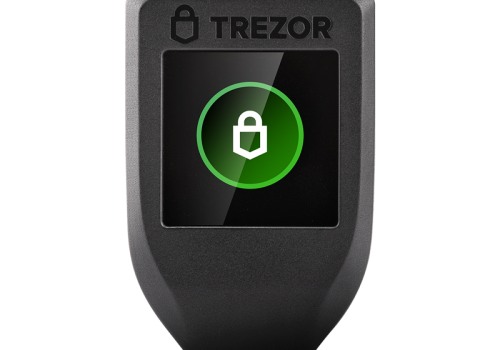
Hardware wallets are physical devices designed to securely store your private keys offline.They are often considered the most secure option for holding cryptocurrencies because they are immune to online hacking attempts. Popular examples include Trezor and Ledger.
- Pros:
- High level of security against online threats.
- Supports a wide range of cryptocurrencies.
- Easy to use with a user-friendly interface.
- Cons:
- Initial cost can be high compared to other wallet types.
- If lost or damaged, recovery can be complicated without proper backup.
Software Wallets
Software wallets are applications that can be installed on your computer or mobile device. They come in two main forms: desktop wallets and mobile wallets.Desktop Wallets
Desktop wallets are downloaded and installed on a personal computer. They provide full control over your private keys and are generally more secure than online wallets.- Pros:
- Greater control over your funds compared to online wallets.
- Often feature advanced security options.
- Cons:
- Vulnerable to malware and viruses if the computer is compromised.
- Requires regular updates for security patches.
Mobile Wallets
Mobile wallets are designed for smartphones, allowing users to manage their cryptocurrencies on the go.They often include features like QR code scanning for easy transactions.
- Pros:
- User-friendly and convenient for everyday transactions.
- Many offer additional features like built-in exchanges.
- Cons:
- More susceptible to theft if the phone is lost or hacked.
- Security depends heavily on the device's overall security measures.
Paper Wallets
A paper wallet is a physical document that contains your public and private keys printed out. This method is often used for long-term storage of cryptocurrencies, as it keeps your keys completely offline.- Pros:
- No risk of online hacking since it is entirely offline.
- Cost-effective as it requires no special hardware or software.
- Cons:
- If lost or damaged, access to your funds is permanently lost.
- Difficult to use for frequent transactions due to its physical nature.
Key Features to Look for in a Crypto Wallet
When selecting a crypto wallet, especially for beginners, it’s crucial to consider several key features that can significantly impact your experience and security. Here are the essential aspects to keep in mind:- Security Features: The primary concern for any cryptocurrency holder should be the security of their assets. Look for wallets that offer robust security measures such as:
- Two-Factor Authentication (2FA): This adds an extra layer of protection by requiring a second form of verification beyond just your password.
- Private Key Control: Ensure that you have full control over your private keys.
Wallets that do not give you access to your private keys may expose you to risks if the service is compromised.
- Cold Storage Options: Some wallets offer cold storage, which means your assets are stored offline, making them less vulnerable to hacking.
- User Interface: A user-friendly interface is vital, especially for beginners who may not be familiar with cryptocurrency technology. Look for wallets that provide:
- Intuitive Design: The wallet should be easy to navigate, with clear instructions and a straightforward setup process.
- Mobile and Desktop Compatibility: Consider whether the wallet has both mobile and desktop versions, allowing you to manage your assets on the go or from your computer.
- Supported Currencies: Different wallets support various cryptocurrencies. Ensure that the wallet you choose supports the specific coins you wish to store or trade. Popular wallets often support a wide range of digital currencies, including Bitcoin, Ethereum, and many altcoins.
- Customer Support: Reliable customer support can be invaluable, especially for beginners who may encounter issues or have questions.
Look for wallets that offer:
- 24/7 Support: Access to customer service at any time can help resolve issues quickly.
- Comprehensive Resources: Tutorials, FAQs, and community forums can provide additional assistance and enhance your understanding of using the wallet.
Top Crypto Wallets for Beginners
When it comes to choosing the best crypto wallet for beginners, several options stand out due to their user-friendly interfaces, robust security features, and overall reputation in the cryptocurrency community. Below is a curated list of some of the top wallets that cater specifically to newcomers in the crypto space.- Exodus WalletExodus is often recommended as one of the best crypto wallets for beginners. This software wallet is available on both desktop and mobile platforms, making it accessible for users on various devices. Its intuitive interface allows users to easily manage their digital assets, and it supports over 100 different cryptocurrencies.
Additionally, Exodus offers built-in exchange features, enabling users to swap between cryptocurrencies without leaving the app. The wallet also provides excellent customer support and educational resources, which are invaluable for those just starting out.
- Trezor OneThe Trezor One is a hardware wallet that provides an extra layer of security for beginners who are serious about protecting their investments. While it may require a bit more technical knowledge to set up compared to software wallets, its security features are unmatched. The Trezor One supports over 1,500 cryptocurrencies and includes multi-factor authentication.
For beginners, the peace of mind that comes with a hardware wallet can be worth the investment.
- Coinbase WalletCoinbase Wallet is distinct from the Coinbase exchange and serves as a personal wallet where users have control over their private keys. This wallet is particularly beginner-friendly due to its seamless integration with the Coinbase platform, allowing users to easily transfer funds between their exchange account and wallet. It supports a wide range of cryptocurrencies and offers features like decentralized app (dApp) access, making it a versatile choice for new investors.
- SoFi InvestSoFi Invest combines traditional investment options with cryptocurrency trading in one platform. While it supports a limited selection of around 30 cryptocurrencies, its user-friendly interface and additional financial tools make it an attractive option for beginners looking to manage both stocks and crypto in one place.
SoFi also offers educational resources that can help new investors understand the market better.
How to Set Up Your Crypto Wallet
Setting up a crypto wallet is an essential step for anyone looking to invest in cryptocurrencies. Whether you choose a hardware wallet or a software wallet, the process is straightforward. Below is a detailed guide to help you create your wallet account and get started with your crypto journey.1.Choosing the Right Type of Wallet
Before diving into the setup process, it’s crucial to decide which type of wallet suits your needs:- Hardware Wallets: These are physical devices that store your private keys offline, providing enhanced security against hacks.
Popular options include Trezor and Ledger.
- Software Wallets: These are applications that can be installed on your computer or mobile device. They are user-friendly and ideal for beginners. Examples include Exodus and Coinbase Wallet.
2.Setting Up a Hardware Wallet
- Purchase Your Device: Buy a hardware wallet from a reputable source to avoid counterfeit products.
- Connect to Your Computer: Use the provided USB cable to connect the hardware wallet to your computer.
- Install the Software: Download the official software from the manufacturer’s website and install it on your computer.
- Create Your Wallet: Follow the on-screen instructions to set up your wallet. This usually involves creating a PIN and generating a recovery seed phrase.
- Secure Your Recovery Seed: Write down your recovery seed phrase and store it in a safe place.
This is crucial for recovering your wallet if you lose access.
3.Setting Up a Software Wallet
- Select Your Wallet: Choose a software wallet that fits your needs, such as Exodus or SoFi Invest.
- Download the App: Visit the official website or app store to download the application.
- Create an Account: Open the app and follow the prompts to create an account. You may need to provide an email address and set a password.
- Backup Your Wallet: Most software wallets will prompt you to back up your recovery phrase. Make sure to write this down securely.
Best Practices for Using Your Crypto Wallet Safely
When it comes to managing your digital assets, ensuring the safety of your crypto wallet is paramount.With the rise of cryptocurrencies, so too has the prevalence of scams and hacking attempts. Here are some best practices to help you secure your wallet and protect your investments.
Password Management
Your password is the first line of defense for your crypto wallet. Here are some tips for creating and managing a strong password:- Use a Unique Password: Avoid using easily guessable passwords such as birthdays or common words. Instead, create a complex password that includes a mix of uppercase and lowercase letters, numbers, and special characters.
- Change Passwords Regularly: Make it a habit to change your passwords periodically.
This reduces the risk of unauthorized access.
- Utilize a Password Manager: Consider using a reputable password manager to store and generate strong passwords securely.
Enable Two-Factor Authentication (2FA)
Two-factor authentication adds an extra layer of security to your crypto wallet. By requiring a second form of verification, such as a text message or authentication app code, you can significantly reduce the risk of unauthorized access. Here’s how to implement 2FA:- Choose an Authentication Method: Options include SMS codes, email verification, or authenticator apps like Google Authenticator or Authy.
- Enable 2FA on All Accounts: Ensure that 2FA is activated not just on your wallet but also on any associated accounts, such as exchanges or email accounts.
Recognizing Potential Scams
The cryptocurrency space is rife with scams. Being able to identify potential threats can save you from significant losses.Here are some common scams to watch out for:
- Phishing Attacks: Be cautious of emails or messages that ask for your wallet credentials or personal information. Always verify the source before clicking on links.
- Pyramid Schemes: If an investment opportunity sounds too good to be true, it probably is. Avoid schemes that promise guaranteed returns.
- Fake Wallets and Apps: Only download wallets from official websites or trusted app stores. Check reviews and do thorough research before installing any software.
Conclusion: Choosing the Right Crypto Wallet for You
In conclusion, selecting the right crypto wallet is a crucial step for anyone looking to invest in cryptocurrencies.With the myriad of options available, it’s essential to consider your individual needs, preferences, and level of experience. Each type of wallet—be it hardware, software, or online—offers distinct advantages and disadvantages that cater to different user profiles.For beginners, a user-friendly software wallet like Exodus can provide an excellent starting point. Its intuitive interface and robust customer support make it accessible for those new to the crypto space. Additionally, the ability to manage multiple digital assets in one place simplifies the investment process.On the other hand, if security is your primary concern, investing in a hardware wallet such as Trezor may be more suitable.
These wallets offer enhanced protection against hacking and unauthorized access, making them ideal for long-term investors who wish to store significant amounts of cryptocurrency.It’s also important to evaluate factors such as:
- Security Features: Look for wallets that offer multi-factor authentication and encryption.
- User Experience: A wallet should be easy to navigate, especially for beginners.
- Supported Cryptocurrencies: Ensure the wallet supports the specific cryptocurrencies you plan to invest in.
- Backup and Recovery Options: Choose a wallet that provides clear instructions on how to back up your assets and recover them if needed.