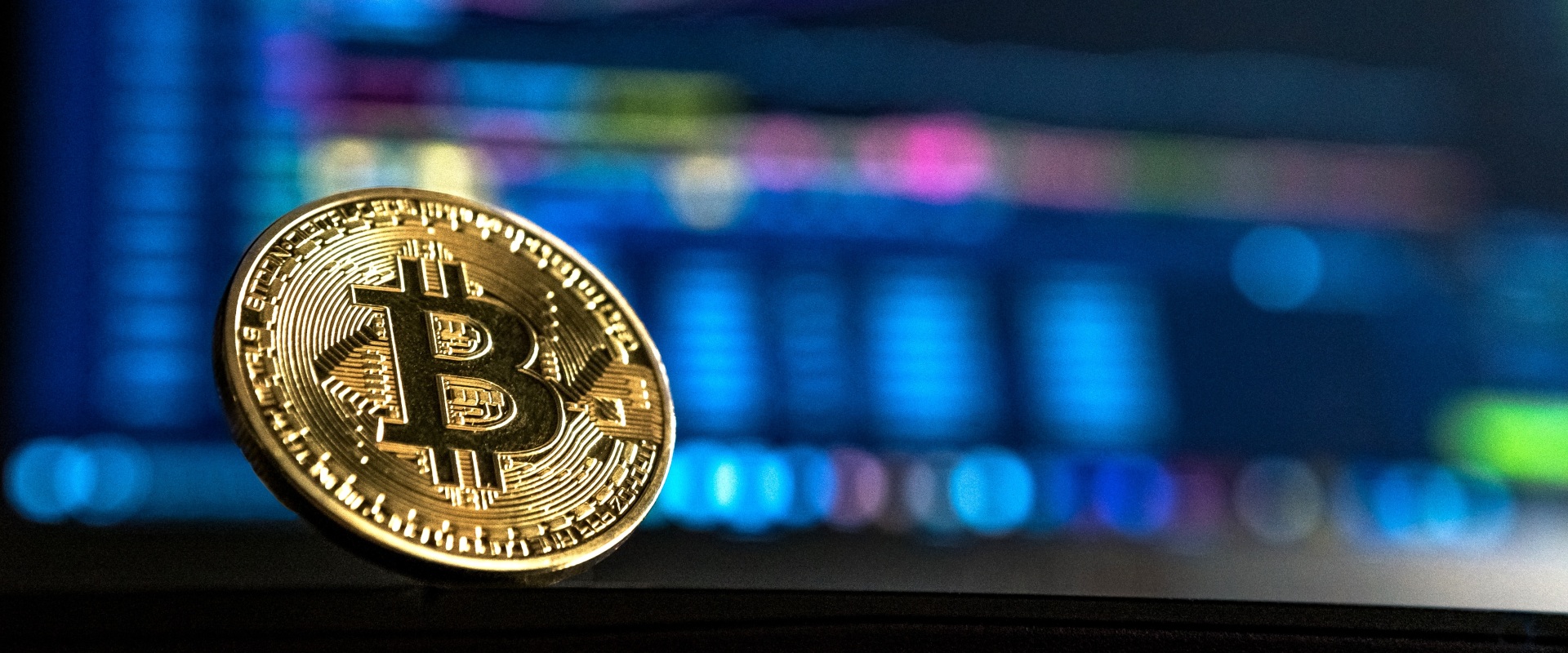
In the world of cryptocurrency, a crypto wallet serves as a crucial tool for managing digital assets. Unlike traditional wallets that hold physical currency, crypto wallets are designed to store the cryptographic keys necessary to access and manage your cryptocurrencies. These keys are essential for sending and receiving digital currencies, making transactions, and keeping your assets secure. Understanding how these wallets function is vital for anyone looking to navigate the complex landscape of cryptocurrencies.There are several types of crypto wallets, each catering to different needs and preferences.
The most common categories include hot wallets and cold wallets. Hot wallets are connected to the internet, allowing for quick access and transactions, making them ideal for frequent traders. Examples include mobile apps and web-based wallets. On the other hand, cold wallets are offline storage solutions that provide enhanced security against hacking and theft.
These include hardware wallets and paper wallets, which are perfect for long-term investors who prioritize security over convenience.Understanding how crypto wallets work is essential for maximizing their benefits. When you create a wallet, you generate a pair of cryptographic keys: a public key, which acts like an account number that others can use to send you cryptocurrency, and a private key, which is akin to a password that allows you to access and manage your funds. It’s crucial to keep your private key secure; losing it means losing access to your assets. Additionally, many modern wallets offer features such as transaction fee management, allowing users to adjust fees based on network conditions, which can significantly impact the cost of transactions.As we delve deeper into the topic of crypto wallets with the lowest fees, it’s important to have a solid understanding of these foundational concepts.
By grasping the different types of wallets and their functionalities, you will be better equipped to choose the right wallet that not only meets your needs but also minimizes transaction costs.
Types of Crypto Wallets and Their Fee Structures
Understanding the different types of crypto wallets is essential for users looking to minimize transaction fees while managing their digital assets. Each wallet type has its own fee structure, which can significantly impact the overall cost of transactions.Hot Wallets
Hot wallets are connected to the internet, making them convenient for frequent transactions. They are typically offered by exchanges or as mobile applications. While hot wallets provide ease of access, they often come with higher fees due to their reliance on network conditions and the need for security measures against online threats.- Transaction Fees: Hot wallets usually charge a percentage of the transaction amount or a flat fee, which can vary based on network congestion.
- Convenience: The ability to quickly send and receive funds often outweighs the higher fees for active traders.
Cold Wallets
Cold wallets, on the other hand, are offline storage solutions that provide enhanced security for long-term asset holding.These wallets include hardware wallets and paper wallets. Since they are not connected to the internet, cold wallets generally incur lower fees.
- Transaction Fees: Cold wallets typically have minimal or no fees for internal transactions. However, when transferring funds to a hot wallet or an exchange, standard network fees apply.
- Security: The offline nature of cold wallets makes them less susceptible to hacking, which is a significant advantage for users holding large amounts of cryptocurrency.
Hardware Wallets
Hardware wallets are a type of cold wallet that store private keys on a physical device. They offer robust security features and are ideal for users who prioritize safety over convenience.- Transaction Fees: Hardware wallets do not charge additional fees beyond standard network fees when sending or receiving cryptocurrencies.
- User Control: Users have full control over their private keys, allowing them to set their own transaction fees based on urgency and network conditions.
Software Wallets
Software wallets can be either hot or cold and are applications that allow users to manage their cryptocurrencies.They can be installed on computers or mobile devices and often come with varying fee structures.
- Transaction Fees: Software wallets may charge fees based on transaction size or network activity. Some may offer options to adjust fees manually.
- User Experience: Many software wallets provide user-friendly interfaces that simplify the process of managing multiple cryptocurrencies.
Factors Influencing Crypto Wallet Fees
When it comes to understanding the fees associated with crypto wallets, several key factors come into play.These factors can significantly influence the overall costs incurred during transactions, making it essential for users to be aware of them.
1.Network Congestion
One of the primary factors affecting wallet fees is network congestion. When a blockchain network experiences high traffic, the demand for transaction processing increases. This surge in demand can lead to higher fees as users compete to have their transactions prioritized. For instance, during peak times, such as market surges or significant news events, users may find themselves paying more to ensure their transactions are confirmed quickly.
2.Transaction Size
The size of a transaction also plays a crucial role in determining fees.
In many blockchain networks, fees are calculated based on the data size of the transaction rather than its monetary value. Larger transactions require more data to be processed and thus incur higher fees. Users should consider this when planning their transactions, especially if they are sending large amounts of cryptocurrency.
3.Wallet Settings
Many crypto wallets allow users to customize their transaction settings, which can directly impact fees. For example, some wallets offer options for setting manual fees or selecting from predefined fee levels based on how quickly users want their transactions to be processed.
Users who opt for lower fees may experience longer wait times for transaction confirmations, while those willing to pay higher fees can expedite the process.
4.Type of Wallet
The type of wallet being used can also influence fees. Different wallets have varying fee structures and policies. For instance, custodial wallets may charge different fees compared to non-custodial wallets due to their operational costs and services provided. Additionally, some wallets may offer free internal transfers but charge network fees for sending funds outside their platform.
5.Cryptocurrency Type
Lastly, the type of cryptocurrency being transacted can affect wallet fees as well.
Different cryptocurrencies operate on distinct blockchains with varying fee structures and mechanisms. For example, Bitcoin transactions often have different fee dynamics compared to Ethereum or Litecoin transactions due to differences in network design and congestion patterns.In summary, understanding these factors—network congestion, transaction size, wallet settings, type of wallet, and cryptocurrency type—can help users make informed decisions about which crypto wallet to use and how to manage their transaction costs effectively.
How to Choose the Right Crypto Wallet for Your Needs
Choosing the right crypto wallet is crucial for anyone looking to manage their digital assets effectively. While low fees are an important factor, there are several other criteria to consider that can significantly impact your overall experience and security. Here are some key aspects to evaluate when selecting a crypto wallet:- Security Features: The primary concern for any crypto user should be the security of their assets.
Look for wallets that offer robust security measures such as two-factor authentication (2FA), multi-signature support, and encryption. Hardware wallets, for instance, provide an extra layer of security by storing your private keys offline.
- User Experience: A wallet should be user-friendly, especially for beginners. Evaluate the interface and ease of navigation. Some wallets offer mobile apps that allow you to manage your assets on the go, while others may be more suited for desktop use.
- Supported Cryptocurrencies: Not all wallets support every cryptocurrency.
If you plan to hold multiple types of digital assets, ensure that the wallet you choose can accommodate them. Some wallets specialize in specific coins, while others offer a broader range.
- Transaction Fees: While low fees are desirable, it’s essential to understand how a wallet calculates its fees. Some wallets may charge a flat fee per transaction, while others may base their fees on network conditions or transaction size. Always read the fine print to avoid unexpected costs.
- Backup and Recovery Options: In the event of device loss or failure, having a reliable backup and recovery process is vital.
Look for wallets that provide seed phrases or recovery keys that allow you to restore your account easily.
- Customer Support: Good customer support can make a significant difference, especially if you encounter issues or have questions about using your wallet. Check if the wallet provider offers responsive support channels such as live chat, email, or phone assistance.
Frequently Asked Questions About Crypto Wallet Fees
Understanding the fees associated with crypto wallets can be daunting, especially for newcomers to the cryptocurrency space. Here are some frequently asked questions that can help clarify common concerns regarding wallet fees.What are the typical fees associated with crypto wallets?
Fees can vary significantly depending on the type of crypto wallet you choose.Generally, there are three main types of fees:
- Transaction Fees: These are fees paid to miners or validators for processing transactions on the blockchain. They can fluctuate based on network congestion.
- Withdrawal Fees: Some wallets charge a fee when you withdraw your cryptocurrency to another wallet or exchange. This fee can vary by wallet provider.
- Conversion Fees: If you are using a wallet that allows you to convert one cryptocurrency to another, there may be additional fees involved in the conversion process.
How can I minimize my crypto wallet fees?
To reduce your costs, consider the following strategies:- Choose the Right Wallet: Research different wallets and their fee structures. Some wallets offer lower transaction fees than others.
- Timing Your Transactions: Monitor network activity and try to make transactions during off-peak times when fees are typically lower.
- Adjust Transaction Fees: Many wallets allow you to set your own transaction fees.
Opt for a lower fee if you can afford to wait longer for your transaction to be confirmed.
Are there any wallets with zero fees?
While some wallets advertise zero transaction fees, it’s essential to read the fine print. Often, these wallets may charge higher withdrawal or conversion fees instead. Always evaluate the overall cost structure before choosing a wallet.Do all crypto wallets charge fees?
No, not all crypto wallets charge fees. However, most will have some form of fee associated with transactions or withdrawals.It’s crucial to understand what each wallet offers and how their fee structure works.By addressing these common questions, users can better navigate the complexities of crypto wallet fees and make informed decisions that align with their financial goals.
Conclusion: Making Informed Choices in Crypto Wallet Selection
In the rapidly evolving world of cryptocurrency, selecting the right crypto wallet is crucial for both security and cost-effectiveness. Throughout this article, we have explored various wallets, highlighting their fee structures and unique features. Understanding these elements is essential for making informed decisions that align with your financial goals and usage patterns.One of the primary takeaways is the significant variance in transaction fees across different wallets. For instance, while some wallets like Bitcoin Core allow users to set their own fees, others, such as Coinbase , impose fees based on location and transaction size.This variability can impact your overall costs, especially if you frequently send or receive cryptocurrencies.Moreover, the type of wallet you choose—be it a hot wallet for convenience or a cold wallet for enhanced security—can also influence the fees you encounter. Hot wallets typically offer lower transaction fees but come with increased risks, while cold wallets may have higher initial costs but provide superior protection against hacks and theft.As you consider your options, it’s important to evaluate your specific needs:
- Frequency of Transactions: If you plan to make frequent transactions, look for wallets with lower fees and faster processing times.
- Security Features: Assess whether you need advanced security features like multi-signature support or hardware integration.
- User Experience: Choose a wallet that offers an intuitive interface and customer support to assist you when needed.