In the rapidly evolving world of cryptocurrency, understanding the role of a crypto wallet is essential for anyone looking to engage with digital assets. A crypto wallet serves as a digital tool that allows users to store, send, and receive cryptocurrencies securely. Unlike traditional wallets that hold physical cash, crypto wallets manage your digital keys—essentially the passwords that grant you access to your cryptocurrency holdings on the blockchain. This makes them a fundamental component of the cryptocurrency ecosystem, as they not only facilitate transactions but also ensure the safety of your assets.There are several types of crypto wallets available, each designed to cater to different user needs and preferences.
Broadly speaking, these wallets can be categorized into two main types: hot wallets and cold wallets. Hot wallets are connected to the internet and are typically more convenient for everyday transactions, making them ideal for active traders. On the other hand, cold wallets are offline storage solutions that provide enhanced security for long-term holders who prioritize safeguarding their investments against potential online threats.Understanding how these wallets work is crucial for making informed decisions about which one to use. When you create a crypto wallet, you generate a pair of cryptographic keys: a public key, which acts like your bank account number and can be shared with others to receive funds, and a private key, which must be kept secret as it allows you to access and manage your cryptocurrencies.
The security of your assets hinges on how well you protect this private key; losing it can mean losing access to your funds permanently. As you delve deeper into the world of cryptocurrencies, grasping the nuances of crypto wallets will empower you to navigate this exciting landscape with confidence.
Types of Crypto Wallets
When it comes to managing your digital assets, understanding the different types of crypto wallets is crucial. Each wallet type offers unique features, benefits, and drawbacks that cater to various user needs. Below, we explore the three primary categories of crypto wallets: hosted wallets, software wallets, and hardware wallets.Hosted Wallets
Hosted wallets are often the most user-friendly option for beginners.These wallets are managed by third-party services, such as cryptocurrency exchanges or online platforms. When you create an account on platforms like Coinbase or Binance, your cryptocurrencies are stored in a hosted wallet.
- Advantages:
- Ease of Use: Hosted wallets typically have intuitive interfaces that make it easy for newcomers to navigate.
- No Key Management: Users do not need to worry about managing private keys, as the service provider handles this aspect.
- Quick Access: Transactions can be executed rapidly since the wallet is integrated with the exchange.
- Disadvantages:
- Security Risks: Since hosted wallets are online, they are susceptible to hacking and phishing attacks.
- Lack of Control: Users do not have full control over their private keys, which can lead to potential loss of funds if the service provider faces issues.
Software Wallets
Software wallets are applications that can be installed on your computer or mobile device. They provide a balance between convenience and security, allowing users to manage their cryptocurrencies while retaining control over their private keys.- Advantages:
- User Control: Users have direct access to their private keys, enhancing security and ownership.
- Variety of Options: There are numerous software wallets available, catering to different needs and preferences.
- Enhanced Features: Many software wallets offer additional functionalities such as built-in exchanges and portfolio tracking.
- Disadvantages:
- Vulnerability to Malware: If your device is compromised, your wallet could be at risk.
- Backup Responsibility: Users must ensure they back up their wallet data and recovery phrases to avoid losing access.
Hardware Wallets
For those seeking maximum security for their digital assets, hardware wallets are the go-to choice. These physical devices store your private keys offline, making them less vulnerable to online threats.- Advantages:
- High Security: Hardware wallets are immune to online hacking attempts since they store keys offline.
- Diverse Asset Support: Many hardware wallets support a wide range of cryptocurrencies beyond just Bitcoin.
- User-Friendly Interfaces: Most hardware wallets come with easy-to-use interfaces for managing transactions securely.
- Disadvantages:
- Cost: Hardware wallets can be more expensive than other wallet types due to their advanced security features.
- Lack of Convenience: Users must connect the device to a computer or mobile device for transactions, which can be less convenient than software or hosted options.
Hosted Wallets: Convenience vs.
ControlWhen it comes to managing your cryptocurrency, hosted wallets offer a blend of convenience and accessibility that appeals to many users, especially those who are new to the world of digital assets. These wallets are typically provided by third-party services, such as cryptocurrency exchanges or online platforms, which manage the storage of your cryptocurrencies on your behalf.
Advantages of Hosted Wallets
- User-Friendly Interface: Hosted wallets often come with intuitive interfaces that make it easy for beginners to navigate. Users can quickly buy, sell, and transfer cryptocurrencies without needing extensive technical knowledge.
- Quick Setup: Setting up a hosted wallet is usually a straightforward process. Users can create an account in minutes, allowing them to start trading or holding cryptocurrencies almost immediately.
- Security Measures: Reputable hosted wallet providers implement robust security protocols, including two-factor authentication (2FA) and encryption, to protect user funds from unauthorized access.
- Customer Support: Many hosted wallet services offer customer support to assist users with any issues they may encounter, providing an added layer of reassurance for those who may feel overwhelmed by the technology.
Disadvantages of Hosted Wallets
- Lack of Control: One significant drawback of hosted wallets is that users do not have direct control over their private keys.
This means that the wallet provider has access to your funds, which can be a concern for those who prioritize security and autonomy.
- Risk of Hacking: Since hosted wallets are managed by third parties, they can be attractive targets for hackers. If a service is compromised, users may lose their funds without recourse.
- Regulatory Risks: Hosted wallets may be subject to regulatory scrutiny, which could impact users' access to their funds or the services offered by the provider.
- Fees: Many hosted wallets charge transaction fees or withdrawal fees, which can add up over time and reduce overall profitability for active traders.
Software Wallets: Flexibility and Features
When it comes to managing your cryptocurrency, software wallets offer a unique blend of flexibility and functionality that appeals to a wide range of users. Unlike hosted wallets, which are managed by third parties, software wallets give you direct control over your private keys and digital assets.This section delves into some of the best software wallets available today, highlighting their features and benefits.
Popular Software Wallets
Among the myriad of software wallets, a few stand out due to their user-friendly interfaces and robust security features:- Exodus: Exodus is renowned for its intuitive design and comprehensive functionality. It supports over 100 different cryptocurrencies, allowing users to manage multiple assets seamlessly. The wallet also features built-in exchange capabilities, enabling users to swap one cryptocurrency for another without leaving the app. Additionally, Exodus provides real-time charts and portfolio tracking tools, making it an excellent choice for both beginners and experienced investors.
- Atomic Wallet: Atomic Wallet is another versatile option that supports more than 500 cryptocurrencies.
It offers a decentralized exchange feature, allowing users to trade directly from their wallets. Atomic Wallet also emphasizes security with its non-custodial nature, meaning users retain full control over their private keys.
- Trust Wallet: Acquired by Binance, Trust Wallet is a mobile wallet that supports a wide array of cryptocurrencies and tokens. Its integration with the Binance DEX allows for easy trading of assets directly within the app. Trust Wallet also includes features like staking for certain coins, enabling users to earn rewards on their holdings.
Key Features of Software Wallets
Software wallets come equipped with various features designed to enhance user experience and security:- User Control: One of the primary advantages of software wallets is that they allow users to maintain control over their private keys.
This autonomy reduces reliance on third-party services and enhances security.
- Multi-Currency Support: Many software wallets support a wide range of cryptocurrencies, making it easier for users to manage diverse portfolios in one place.
- Built-in Exchange Functions: Some software wallets offer integrated exchange services, allowing users to trade cryptocurrencies without needing to transfer funds to an external exchange.
- User-Friendly Interfaces: Most software wallets prioritize ease of use, featuring intuitive designs that cater to both novice and experienced users.
Hardware Wallets: Security First
When it comes to securing your cryptocurrency investments, hardware wallets stand out as one of the most reliable options available. Unlike software wallets that are connected to the internet, hardware wallets store your private keys offline, significantly reducing the risk of hacking and unauthorized access. This makes them particularly appealing to experienced investors who prioritize security above all else.Two of the most popular hardware wallets on the market are the Ledger Nano X and Trezor.Both devices offer robust security features that cater to a wide range of cryptocurrencies, making them ideal for serious investors.
Ledger Nano X and S
The Ledger Nano X is a state-of-the-art hardware wallet that combines security with convenience. It features Bluetooth connectivity, allowing users to manage their assets via mobile devices without compromising security. The device supports over 1,800 cryptocurrencies, making it versatile for various investment portfolios. Additionally, Ledger's proprietary software, Ledger Live, provides a user-friendly interface for checking balances and executing transactions.The Ledger Nano S , while slightly less advanced than its counterpart, remains a solid choice for those who prefer a more budget-friendly option.It offers similar security features but lacks Bluetooth capability. Both models utilize a secure element chip that protects against physical attacks and ensures that your private keys never leave the device.
Trezor Wallets
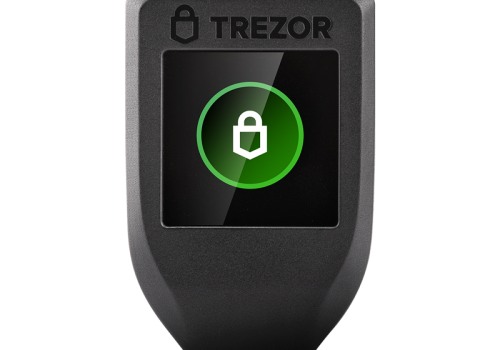
The Trezor One and Trezor Model T are also highly regarded in the crypto community. The Trezor One is known for its simplicity and ease of use, supporting over 1,000 cryptocurrencies. It features a small screen that allows users to verify transactions directly on the device, adding an extra layer of security.The more advanced Trezor Model T offers a touchscreen interface and supports a wider array of digital assets.Both Trezor models come with recovery seed options, ensuring that users can restore their wallets in case of loss or damage.
Why Choose Hardware Wallets?
The primary advantage of using hardware wallets lies in their enhanced security features:- Offline Storage: By keeping private keys offline, hardware wallets minimize exposure to online threats.
- Multi-Factor Authentication: Many hardware wallets require multiple forms of verification before granting access to funds.
- Backup and Recovery Options: Users can create recovery seeds to restore access if their device is lost or damaged.
- Durability: Most hardware wallets are built to withstand physical damage, ensuring long-term protection for your assets.
Choosing the Right Wallet for Your Needs
When it comes to selecting the right crypto wallet, understanding your personal needs and investment strategy is crucial. The variety of wallets available can be overwhelming, but by considering a few key factors, you can make an informed decision that aligns with your goals.1.Security Features
- Private Key Control: One of the most significant aspects of any crypto wallet is who controls the private keys. If you hold your own keys, you have full control over your assets.
Hosted wallets, while convenient, mean that a third party manages your keys, which can expose you to risks.
- Two-Factor Authentication (2FA): Look for wallets that offer 2FA as an additional layer of security. This feature requires not just a password but also a second form of verification, making unauthorized access much more difficult.
- Backup Options: Ensure that the wallet provides options for backing up your data. This is essential in case you lose access to your device or forget your credentials.
2.Ease of Use
- User Interface: For beginners, a wallet with an intuitive interface can make all the difference. Look for wallets that offer clear navigation and straightforward processes for buying, selling, and transferring cryptocurrencies.
- Customer Support: Consider the availability of customer support.
A responsive support team can help resolve issues quickly, which is particularly important for those new to cryptocurrency.
3.Type of Investor
- Beginner Investors: If you're just starting out, hosted wallets like those offered by Coinbase or PayPal may be ideal due to their simplicity and ease of setup. They allow you to focus on learning about cryptocurrency without getting bogged down by technical details.
- Experienced Investors: For those with more experience, software wallets like Exodus or hardware wallets such as Ledger Nano X/S provide greater control and security. These options allow for more complex transactions and better asset management.
Security Best Practices for Crypto Wallets
When it comes to managing your digital assets, ensuring the security of your crypto wallet is paramount.With the increasing prevalence of cyber threats, understanding how to protect your investments is essential. Here are some key security best practices to help safeguard your crypto wallet.
Enable Two-Factor Authentication (2FA)
One of the most effective ways to enhance the security of your crypto wallet is by enabling two-factor authentication (2FA). This adds an extra layer of protection by requiring not only your password but also a second form of verification, such as a code sent to your mobile device. By implementing 2FA, even if someone manages to obtain your password, they would still need access to your second factor to gain entry.Use Strong, Unique Passwords
Your password is the first line of defense against unauthorized access.Always use a strong and unique password for your crypto wallet. A good password should be at least 12 characters long and include a mix of uppercase and lowercase letters, numbers, and special characters. Avoid using easily guessable information such as birthdays or common words.
Regularly Update Software
Whether you are using a software wallet or a hardware wallet, keeping your software up to date is crucial. Developers frequently release updates that patch security vulnerabilities.Make it a habit to check for updates regularly and install them promptly to ensure you are protected against the latest threats.
Backup Your Wallet
Backing up your crypto wallet is essential for recovering your assets in case of device failure or loss. Most wallets provide options for creating backups, often in the form of recovery phrases or seed phrases. Store these backups in a secure location, such as a safe or encrypted digital storage, and never share them with anyone.Avoid Public Wi-Fi
Accessing your crypto wallet over public Wi-Fi networks can expose you to significant risks. Cybercriminals can intercept data transmitted over unsecured networks.Whenever possible, use a secure and private internet connection when accessing your wallet or conducting transactions.
Be Wary of Phishing Attacks
Phishing attacks are common tactics used by cybercriminals to steal sensitive information. Always verify the authenticity of emails or messages that request personal information or direct you to login pages. Look for signs of phishing, such as misspellings in URLs or email addresses that do not match official sources.By following these security best practices, you can significantly reduce the risk of losing your digital assets stored in a crypto wallet. Remember that vigilance and proactive measures are key components in safeguarding your investments in the ever-evolving landscape of cryptocurrency.Frequently Asked Questions about Crypto Wallets
As the world of cryptocurrency continues to grow, many potential users find themselves with questions about crypto wallets.This section aims to address some of the most frequently asked questions and dispel common myths surrounding these essential tools for managing digital assets.
What is a crypto wallet?
A crypto wallet is a digital tool that allows users to store, send, and receive cryptocurrencies. Unlike a traditional wallet that holds physical cash, a crypto wallet stores your private and public keys, which are necessary for accessing your digital currencies on the blockchain.Are crypto wallets safe?
The safety of a crypto wallet largely depends on the type of wallet you choose and how you manage it. Hardware wallets, such as Ledger or Trezor, are generally considered the safest option because they store your keys offline. Software wallets can be secure as well, but they are more vulnerable to hacking if not properly protected.Always ensure you use strong passwords and enable two-factor authentication when available.
Can I lose my cryptocurrency?
Yes, it is possible to lose access to your cryptocurrency if you lose your wallet or forget your recovery information. This is why it is crucial to back up your wallet and keep your recovery seed phrase in a safe place. If you lose both your wallet and recovery information, you may permanently lose access to your funds.Do I need multiple wallets?
While it is not necessary to have multiple wallets, many users choose to do so for various reasons. For instance, you might want a hosted wallet for everyday transactions and a hardware wallet for long-term storage of larger amounts.Diversifying your storage methods can enhance security and provide flexibility in managing your assets.
Are all crypto wallets the same?
No, not all crypto wallets are created equal. They come in various forms—hosted wallets, software wallets, hardware wallets, and paper wallets—each with its own advantages and disadvantages. Understanding these differences can help you choose the right wallet based on your needs and level of experience.Can I use my crypto wallet for all cryptocurrencies?
This depends on the specific wallet you choose. Some wallets support a wide range of cryptocurrencies, while others may only support specific coins like Bitcoin or Ethereum.Always check the compatibility of a wallet with the cryptocurrencies you intend to store before making a decision.
Is it true that crypto wallets are anonymous?
This is a common misconception. While crypto wallets do not directly link to personal identities like traditional bank accounts do, transactions made with cryptocurrencies can often be traced back to their source through blockchain analysis. Therefore, while they offer more privacy than traditional financial systems, they are not entirely anonymous.By addressing these frequently asked questions, we hope to clarify any doubts you may have about crypto wallets. Understanding how they work and their associated risks can empower you to make informed decisions as you navigate the world of cryptocurrency.Conclusion: Making an Informed Decision on Your Crypto Wallet
In conclusion, selecting the right crypto wallet is a critical decision that can significantly impact your experience and security in the world of digital currencies.As we have explored throughout this article, there are various types of wallets available, each with its own set of features, advantages, and drawbacks. Understanding these differences is essential for making an informed choice that aligns with your individual needs.For those who are new to cryptocurrency, hosted wallets like those provided by platforms such as Coinbase or PayPal offer a user-friendly entry point. These wallets simplify the process of buying, selling, and storing digital assets without the burden of managing private keys. However, it is important to remember that while hosted wallets provide convenience, they also come with certain risks, including potential hacking incidents and lack of control over your private keys.On the other hand, experienced investors may prefer software or hardware wallets for enhanced security and control.
Software wallets like Exodus provide a balance between usability and security, allowing users to manage their assets directly from their devices while retaining ownership of their private keys. Hardware wallets such as Ledger Nano X or S offer the highest level of security by keeping your assets offline, making them less vulnerable to cyber threats.Ultimately, the best crypto wallet for you will depend on your investment strategy, technical expertise, and comfort level with managing security measures. It is crucial to assess your priorities—whether they lean towards ease of use or maximum security—and choose a wallet that meets those criteria.Regardless of the type of wallet you select, always prioritize security by backing up your recovery information and using strong passwords. The world of cryptocurrency can be unpredictable, but with careful planning and informed decision-making, you can safeguard your investments effectively.