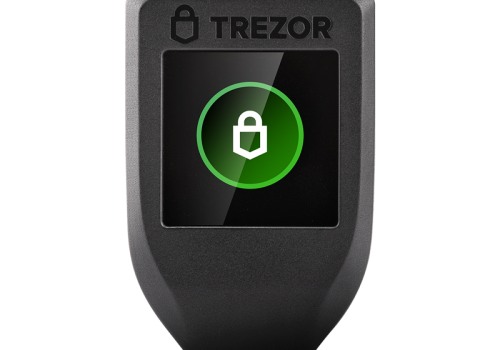
In the rapidly evolving world of cryptocurrencies, understanding the role of a crypto wallet is essential for anyone looking to navigate this digital landscape. A crypto wallet serves as a digital tool that allows users to store, send, and receive various cryptocurrencies. Unlike traditional wallets that hold physical cash, crypto wallets manage digital assets through cryptographic keys. These keys are crucial for accessing and controlling your cryptocurrency holdings, making them a fundamental component of the blockchain ecosystem.At its core, a crypto wallet can be thought of as a bridge between the user and the blockchain.
When you create a wallet, you generate a pair of cryptographic keys: a public key, which acts like an account number that can be shared with others to receive funds, and a private key, which is akin to a password that must be kept secret to protect your assets. This dual-key system ensures that only the wallet owner can authorize transactions, providing a layer of security that is vital in the digital currency space.There are several types of crypto wallets , each with its own unique features and levels of security. For instance, hardware wallets store your keys offline, making them less susceptible to hacking, while software wallets, which can be mobile or desktop applications, offer greater convenience for everyday transactions. Additionally, there are web wallets, which allow users to access their funds through a browser but may pose higher risks due to their online nature.
Understanding these different types is crucial for users to choose the right wallet based on their needs and risk tolerance.The functionality of crypto wallets extends beyond mere storage; they also facilitate transactions on the blockchain. When you send cryptocurrency to another user, your wallet creates a transaction that is broadcasted to the network. This transaction is then verified by miners or validators before being added to the blockchain ledger. This process not only ensures the integrity of transactions but also plays a significant role in the traceability of crypto assets, setting the stage for deeper discussions about privacy and anonymity in cryptocurrency usage.
The Basics of Cryptocurrency Transactions
Understanding how cryptocurrency transactions work is essential for anyone looking to navigate the world of digital currencies.At the core of these transactions lies blockchain technology , a decentralized ledger that records all transactions across a network of computers. This technology ensures transparency and security, making it a fundamental component of cryptocurrencies like Bitcoin and Ethereum.When a user initiates a cryptocurrency transaction, several steps occur:
- Transaction Creation: The process begins when a user creates a transaction using their crypto wallet. This wallet contains a pair of cryptographic keys: a public key, which serves as the wallet's address, and a private key, which is used to sign transactions and prove ownership.
- Broadcasting the Transaction: Once the transaction is created, it is broadcasted to the cryptocurrency network. This means that it is sent to all nodes (computers) in the network for validation.
- Validation: Nodes in the network verify the transaction by checking if the sender has sufficient funds and if the transaction adheres to the network's rules.
This process often involves solving complex mathematical problems, known as mining, particularly in proof-of-work systems like Bitcoin.
- Inclusion in a Block: After validation, the transaction is grouped with other transactions into a block. This block is then added to the existing blockchain, creating an immutable record of all transactions.
- Confirmation: Once added to the blockchain, the transaction receives confirmations from other nodes. The more confirmations a transaction has, the more secure it is considered.
Each transaction is permanently recorded on the blockchain, meaning that anyone can view the history of transactions associated with any given wallet address.This transparency raises important questions about privacy and security in cryptocurrency transactions. As law enforcement agencies and forensic experts develop more sophisticated tools to analyze blockchain data, understanding how these transactions work becomes crucial for users who wish to maintain their privacy while engaging in digital currency activities.
Understanding Traceability in Crypto Wallets
When discussing the traceability of crypto wallets, it is essential to understand the underlying technology that powers cryptocurrencies. Most cryptocurrencies, including Bitcoin, operate on a public ledger known as the blockchain. This ledger records every transaction made with the cryptocurrency, making it possible to trace the flow of funds from one wallet to another.Each crypto wallet is associated with a unique public address, which is visible on the blockchain.While this address does not directly reveal the identity of the wallet owner, it can be linked to personal information through various means. For instance, if a user exchanges their cryptocurrency for fiat currency through a regulated exchange, they typically must provide identification due to Know Your Customer (KYC) regulations. This creates a potential pathway for tracing transactions back to individuals.Moreover, forensic analysis tools have been developed to enhance the ability to trace cryptocurrency transactions. These tools analyze patterns in transaction flows and can identify clusters of addresses that are likely controlled by the same entity.
By examining transaction histories and behaviors, law enforcement agencies and cybersecurity firms can often uncover the identities behind crypto wallets.Another factor contributing to traceability is the increasing collaboration between cryptocurrency exchanges and regulatory bodies. As governments around the world tighten regulations on cryptocurrency transactions, exchanges are required to implement stringent compliance measures. This means that even if a user attempts to maintain anonymity through decentralized wallets or privacy coins, any conversion of cryptocurrency into fiat currency will likely require identity verification.In summary, while crypto wallets offer a degree of privacy due to their pseudonymous nature, they are not entirely untraceable. The combination of blockchain transparency, regulatory compliance, and advanced forensic tools means that tracing cryptocurrency transactions is not only possible but increasingly common.
Users should be aware of these factors when engaging in cryptocurrency transactions and consider how their actions may impact their privacy.
The Role of Blockchain in Traceability
Blockchain technology serves as the backbone of cryptocurrencies, providing a transparent and immutable record of all transactions. This decentralized ledger system is crucial for understanding how crypto wallets can be traced. Each transaction made with a cryptocurrency is recorded on the blockchain, which is accessible to anyone with an internet connection. This public nature of the blockchain means that while individual identities may not be directly linked to transactions, the flow of funds can still be monitored and analyzed.At its core, a blockchain is a series of blocks that contain transaction data.Each block is connected to the previous one, forming a chain. This structure ensures that once a block is added to the chain, it cannot be altered without altering all subsequent blocks, which requires consensus from the network. This feature makes blockchain highly secure and resistant to fraud.When a user initiates a transaction using their crypto wallet, the details are broadcasted to the network and included in a block after being verified by miners or validators. Each transaction includes the sender's and receiver's wallet addresses, along with the amount transferred.
Although these addresses do not contain personal information, they are permanent and can be traced back through the blockchain.The traceability of transactions on the blockchain has significant implications for user anonymity. While many people believe that cryptocurrencies offer complete privacy, the reality is more complex. Forensic analysis tools can track transactions across wallets, allowing investigators to identify patterns and potentially link them to real-world identities. This is particularly true when users convert their cryptocurrencies into fiat currency through exchanges that require identity verification.Moreover, some cryptocurrencies have been designed with enhanced privacy features, such as Monero or Zcash, which aim to obscure transaction details.
However, even these solutions are not foolproof against advanced tracing techniques. As law enforcement agencies continue to develop sophisticated tools for analyzing blockchain data, the notion of complete anonymity in cryptocurrency transactions becomes increasingly tenuous.In summary, while crypto wallets provide a degree of privacy through pseudonymous addresses, the underlying blockchain technology ensures that all transactions are traceable. The public ledger nature of blockchains means that anyone can view transaction histories, making it essential for users to understand the implications of their digital financial activities.
The Pseudonymity of Bitcoin and Other Cryptocurrencies
The concept of pseudonymity in cryptocurrencies, particularly Bitcoin, is often misunderstood. Many users believe that their transactions are completely anonymous, but this is not the case.Instead, Bitcoin operates on a system of pseudonymity, where users are identified by their wallet addresses rather than personal information. This distinction is crucial for understanding how transactions can be traced.When a Bitcoin transaction occurs, it is recorded on a public ledger known as the blockchain. Each transaction includes the sender's and receiver's wallet addresses, which are strings of alphanumeric characters. While these addresses do not directly reveal the identity of the user, they can be analyzed and linked to real-world identities through various means.For instance, if a user exchanges Bitcoin for fiat currency through a cryptocurrency exchange that adheres to Know Your Customer (KYC) regulations, their identity becomes associated with their wallet address.
This means that even though the blockchain does not store personal information, law enforcement and forensic analysts can trace transactions back to individuals by following the flow of funds and linking them to exchanges where identities are verified.Moreover, certain patterns in transaction behavior can also provide clues about a user's identity. For example, if someone frequently transacts with a specific merchant or service that requires personal information, it becomes easier to connect their wallet address to their real identity. This is particularly true in cases where users engage in activities that require them to disclose personal details.Additionally, some cryptocurrencies have been designed with enhanced privacy features, such as Monero or Zcash, which aim to provide greater anonymity than Bitcoin. However, even these coins are not entirely foolproof against tracing efforts.
As technology evolves, so do the methods used by law enforcement and analysts to track cryptocurrency transactions.In summary, while Bitcoin and other cryptocurrencies offer a degree of anonymity , they are fundamentally pseudonymous. Users should be aware that their transactions can be traced back to them under certain circumstances. Understanding this aspect of cryptocurrency is essential for anyone looking to navigate the digital currency landscape safely and securely.
How Law Enforcement Tracks Cryptocurrency Transactions
As the use of cryptocurrencies continues to rise, so does the need for law enforcement agencies to develop effective methods for tracking crypto transactions. The perception that cryptocurrencies are entirely anonymous has led to a surge in illicit activities, prompting authorities to invest in advanced tools and techniques for forensic analysis.One of the primary methods used by law enforcement is blockchain analysis.Since most cryptocurrencies operate on a public ledger, every transaction is recorded and can be viewed by anyone. This transparency allows investigators to trace the flow of funds from one wallet to another. By analyzing transaction patterns, they can identify suspicious activities and potentially link them to criminal enterprises.Law enforcement agencies often collaborate with specialized firms that provide blockchain analysis services. These companies utilize sophisticated algorithms and data analytics to track crypto wallet addresses associated with illegal activities.
They can create visual representations of transaction flows, making it easier for investigators to understand complex networks of transactions.Another critical aspect of tracking cryptocurrency transactions involves the use of Know Your Customer (KYC) regulations. Many cryptocurrency exchanges require users to verify their identities before they can trade or withdraw funds. This means that even if a transaction appears anonymous on the blockchain, it can often be traced back to a specific individual through their exchange account. Law enforcement can obtain this information through subpoenas or other legal means.In addition to KYC compliance, law enforcement agencies are increasingly employing machine learning and artificial intelligence (AI) technologies.
These tools can analyze vast amounts of data quickly, identifying patterns and anomalies that may indicate fraudulent or criminal behavior. For instance, AI can help detect unusual trading volumes or sudden spikes in activity that could suggest market manipulation or money laundering.Furthermore, forensic analysis in crypto extends beyond just tracking transactions. Investigators also examine the underlying technology and protocols used by various cryptocurrencies. Some coins are designed with enhanced privacy features, making them more challenging to trace.
However, even these can sometimes be analyzed through advanced techniques that exploit weaknesses in their design.In conclusion, while cryptocurrencies offer a degree of anonymity, law enforcement agencies have developed a range of sophisticated tools and methods for tracking crypto transactions. Through blockchain analysis, KYC regulations, and cutting-edge technologies like AI, authorities are becoming increasingly adept at uncovering illicit activities within the crypto space.
The Impact of KYC Regulations on Crypto Wallet Traceability
In the realm of cryptocurrency, the implementation of Know Your Customer (KYC) regulations has significantly altered the landscape of wallet traceability. KYC regulations are designed to prevent fraud, money laundering, and other illicit activities by requiring financial institutions, including cryptocurrency exchanges, to verify the identities of their customers. This process involves collecting personal information such as names, addresses, and identification documents.For users engaging in cryptocurrency transactions, particularly those converting digital assets into fiat currency, KYC compliance introduces a layer of traceability that many may not fully understand.When a user creates an account on a cryptocurrency exchange that adheres to KYC regulations, they are typically assigned a unique crypto wallet linked to their verified identity. This means that every transaction made from this wallet can potentially be traced back to the individual.The implications of KYC regulations extend beyond mere identity verification. They create a direct connection between a user's crypto wallet and their personal information. For instance, if a user wishes to convert their Bitcoin into US dollars through an exchange like Coinbase or Binance, they must provide identification that links their wallet activity to their real-world identity.
This process diminishes the perceived anonymity that many users associate with cryptocurrencies.Moreover, the requirement for KYC compliance can deter some users from fully engaging with cryptocurrencies due to privacy concerns. While KYC is essential for regulatory compliance and enhancing security within the crypto ecosystem, it also raises questions about user privacy and data protection. Users must weigh the benefits of using regulated exchanges against the potential risks of having their personal information stored and possibly exposed.In summary, KYC regulations play a crucial role in shaping the traceability of crypto wallets. By linking wallets to verified identities, these regulations enhance security but also compromise the anonymity that many users seek in the world of digital currencies.
As the regulatory landscape continues to evolve, understanding the implications of KYC on wallet traceability will be vital for anyone participating in cryptocurrency transactions.
Are There Truly Anonymous Cryptocurrencies?
In the ever-evolving landscape of cryptocurrencies, the allure of anonymity has led to the emergence of various digital currencies that claim to offer complete privacy. These are often referred to as privacy coins , and they include well-known names like Monero, Zcash, and Dash. While these cryptocurrencies market themselves as solutions for users seeking untraceable transactions, it is essential to critically examine the extent of their anonymity and the inherent limitations that accompany their use.Monero
, for instance, employs advanced cryptographic techniques such as ring signatures and stealth addresses to obscure transaction details. This means that while a transaction is recorded on the blockchain, the sender, receiver, and amount remain hidden from public view.
However, despite these sophisticated measures, Monero is not entirely immune to analysis. Law enforcement agencies are increasingly developing tools capable of de-anonymizing transactions on privacy-focused blockchains.
Zcash
offers users the option of shielded transactions, which utilize zero-knowledge proofs to ensure that transaction details are not publicly visible. While this feature enhances privacy, it is important to note that users must actively choose to use shielded transactions; otherwise, their transactions remain transparent on the blockchain. This selective anonymity can lead to potential risks if users inadvertently expose their financial activities.Another notable privacy coin is Dash , which incorporates a feature called PrivateSend.
This function mixes user transactions with others in a pool to obfuscate the source of funds. However, this method is not foolproof; determined analysts can still trace transactions back to their origins under certain conditions.While these privacy coins provide enhanced anonymity compared to traditional cryptocurrencies like Bitcoin, it is crucial for users to understand that no system is entirely foolproof. The very nature of blockchain technology—being a public ledger—means that any transaction can potentially be traced with enough resources and expertise.Moreover, the regulatory landscape surrounding cryptocurrencies is rapidly changing. Governments worldwide are increasingly scrutinizing privacy coins due to concerns over their potential use in illicit activities such as money laundering and tax evasion.
As a result, exchanges may restrict or ban the trading of these coins, further complicating their usability.In conclusion, while privacy coins offer features aimed at enhancing user anonymity, they are not without limitations and risks. Users should approach these cryptocurrencies with caution and remain aware that complete anonymity in the digital currency space may be more of an ideal than a reality.
Best Practices for Maintaining Privacy with Crypto Wallets
Maintaining privacy while using crypto wallets is crucial for users who value their anonymity in the digital currency space. Here are some effective strategies to enhance your privacy and secure your crypto wallet:- Use a Non-Custodial Wallet: Opt for a non-custodial wallet where you control your private keys. This type of wallet does not require you to trust a third party, reducing the risk of your information being compromised.
- Employ Multiple Wallets: Distributing your funds across multiple wallets can help obscure your financial activities.
By using different wallets for different transactions, you can make it more challenging for anyone to trace your overall holdings.
- Utilize Privacy Coins: Consider using cryptocurrencies designed for privacy, such as Monero or Zcash. These coins employ advanced cryptographic techniques to enhance transaction anonymity, making it harder to trace transactions back to you.
- Enable Two-Factor Authentication (2FA): Always enable 2FA on your crypto wallet accounts. This adds an extra layer of security, making it more difficult for unauthorized users to access your wallet.
- Be Cautious with Public Wi-Fi: Avoid accessing your crypto wallet over public Wi-Fi networks. Use a secure, private connection or a Virtual Private Network (VPN) to encrypt your internet traffic and protect your data from potential eavesdroppers.
- Regularly Update Software: Keep your wallet software and any associated applications up to date.
Developers frequently release updates that patch security vulnerabilities, so staying current can help protect your assets.
- Avoid Linking Personal Information: When creating accounts on exchanges or wallets, refrain from using personal information that could be linked back to you. Use pseudonyms and separate email addresses dedicated solely to cryptocurrency transactions.
- Consider Coin Mixing Services: Coin mixing or tumbling services can help obfuscate the source of your funds by mixing them with others before they reach their final destination. However, be cautious and research these services thoroughly before use.
Conclusion: The Reality of Crypto Wallet Traceability
In conclusion, the notion that crypto wallets offer complete anonymity is a misconception that requires careful reconsideration.While cryptocurrencies like Bitcoin provide a level of privacy through their decentralized nature and the use of public addresses, the reality is that these transactions are far from untraceable. The blockchain technology underlying these currencies records every transaction in a public ledger, making it possible for forensic experts to analyze and trace movements of funds.As discussed, the pseudo-anonymous nature of Bitcoin means that while individual wallet addresses do not directly reveal personal identities, they can be linked to users through various means. This includes the use of cryptocurrency exchanges that enforce Know Your Customer (KYC) regulations, requiring users to verify their identities before engaging in transactions. Consequently, any funds transferred from a crypto wallet to a fiat currency through these exchanges can be traced back to the original user.Moreover, as law enforcement agencies become increasingly adept at utilizing advanced tracking tools, the ability to trace transactions has improved significantly.
This trend highlights the importance of understanding the implications of using crypto wallets for both personal privacy and security. Users must recognize that while they may enjoy a degree of anonymity in their transactions, this does not equate to being completely untraceable.For individuals concerned about their privacy, it is crucial to adopt best practices when using cryptocurrencies. This includes utilizing non-custodial wallets, employing mixing services to obfuscate transaction trails, and being mindful of how and where they exchange their digital assets. By taking these precautions, users can enhance their privacy while navigating the complex landscape of cryptocurrency.Ultimately, as the regulatory environment surrounding cryptocurrencies continues to evolve, so too will the methods used to trace transactions.
It is essential for users to stay informed about these developments and consider how they impact their financial activities within the crypto space. Understanding the reality of crypto wallet traceability is not just about protecting one's identity; it is also about making informed decisions in an increasingly interconnected financial world.